1. Company background and product certification
Jiaxing Apeks Import & Export Co., Ltd. is active in the field of electric vehicle charging, focusing on the research and development, manufacturing and sales of electric vehicle connectors, portable chargers and charging cables. Its products have passed strict quality certification systems, such as ISO9001:2015 and IATF16949:2016 quality management system certification, as well as TUV, CE, UKCA, UL, CQC and other internationally recognized testing and certification marks, highlighting the company's high standards in product quality and safety pursuit.Common product categories are: Type 1 EV Charger, Type 2 EV Charger, Wall Box EV Charger, Portable EV Charger, Pillar EV Charger
2. EV Home Charger core product information
Definition and function: EV home chargers are charging devices tailored for home scenarios, usually installed in garages or designated parking Spaces, and can be perfectly adapted to electric vehicle charging ports. It can not only provide faster and more efficient charging speed than the standard household socket, but also has many intelligent functions, such as flexible setting of charging time through mobile phone applications, real-time monitoring of the charging process, which greatly improves the convenience of electric vehicle users.
2.1 Advantages
Convenience: The owner does not need to frequently go to the public charging station, and can charge the vehicle at any time at home, ensuring that the vehicle is always in a full or high power state to meet the daily travel needs.
Efficient charging: Compared with ordinary household sockets, the charging speed is greatly improved, effectively shortening the charging time, especially for daily commuting or night charging scenarios, which can replenish enough electricity for the vehicle in a short time.
Customized charging plan: Users can set the charging time independently according to their own power consumption habits and peak and valley electricity price periods, which can reduce charging costs and optimize household energy efficiency.
Cost savings: Using the advantage of household electricity tariff, compared with relying on public charging stations, long-term use can significantly save charging costs and reduce the cost of electric vehicles.
Enhanced endurance and practicality: Stable home charging conditions enable the vehicle to maintain a high power, effectively extend the vehicle's driving range, provide a more reliable power guarantee for long-distance travel or sudden travel, and improve the overall practicality of electric vehicles.
Intelligent monitoring and control: With the help of mobile applications, users can remotely monitor the charging progress, track energy consumption, and control the charging process anytime, anywhere, to achieve full control of the charging state, and further optimize the user experience.


2.2 Product type and technical parameters
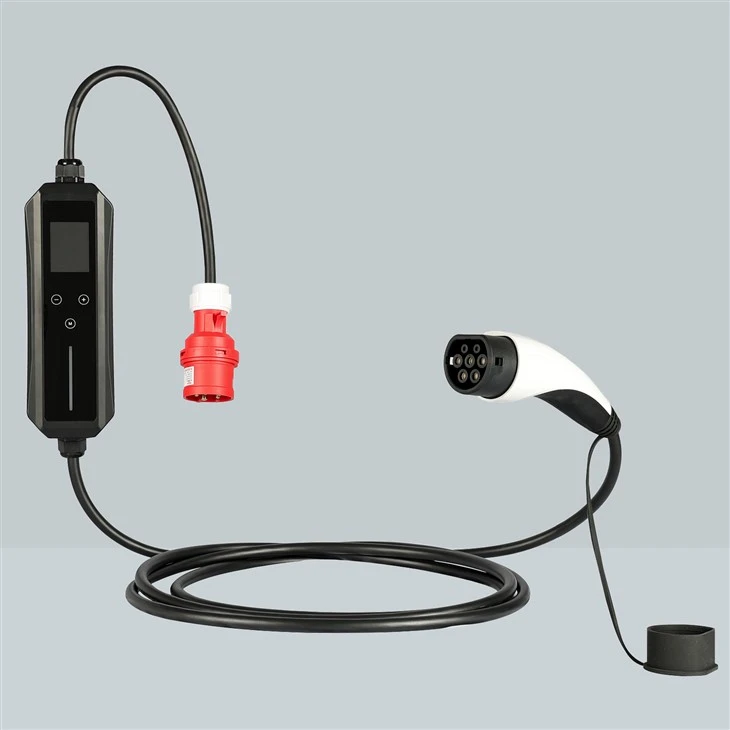
Charging Mode and power Level: Covers multiple charging modes such as Mode 2 and Mode 3, with common power levels being Level 1, Level 2 and Level 3. Among them, the Level 1 charger is suitable for standard household sockets, charging speed is relatively slow, can increase the vehicle mileage of about 2-5 miles per hour, suitable for long charging at night; Level 2 charger is the mainstream choice for home use, the power is usually between 3kW-22kW, such as 7kW, 11kW, 22kW, etc., can provide about 10-60 miles per hour mileage, charging efficiency is high; Level 3 chargers (DC fast charge) are more powerful, commonly found in commercial locations, and can achieve fast charging, but relatively few household installations.
2.3 Technical Features and functional components
Dynamic Load Balancing (DLB) function: The DLB function of the APEKS home AC charger ensures the safe distribution of power with other household appliances during charging, dynamically balances the total household power consumption, prevents overload, and ensures safe charging and stable household power consumption.
Components work together: The power module is responsible for converting electrical energy from the grid into a form suitable for vehicle battery charging; High quality connectors and cables ensure stable power transmission; The control unit accurately manages the charging process, communicates with the vehicle to determine the best charging rate, and ensures safety functions such as overcurrent protection and temperature control; User interfaces (such as LED displays, touch screens or indicators) provide users with intuitive charging information; The housing is made of rugged and waterproof materials to protect the internal components from the environment; Some advanced models also feature authentication, allowing only authorized users to charge, and remote monitoring, control, and software updates over Wi-Fi or cellular networks.
2.4 Safety guarantee and material quality
Overcurrent protection: effectively prevent excessive current, avoid charging cables, connectors and vehicles due to overheating damage, to ensure charging safety.
Ground Fault Circuit Interrupter (GFCI) : Quickly detect ground faults and disconnect the circuit to reduce the risk of electric shock and ensure a safe and reliable charging system.
Temperature monitoring: The built-in temperature sensor monitors the temperature of key components in real time, and automatically adjusts the charging rate or stops charging once the safety threshold is exceeded to prevent overheating from causing safety problems.
Short-circuit protection: Timely detection and handling of short-circuit faults in the charging system to protect the charging infrastructure from electrical hazards.
Waterproof design: The charger for outdoor use uses a sealed shell and waterproof connectors to adapt to various weather conditions to ensure stable operation in rain, snow, sunlight and other environments.
Connection and Authentication security: Enhanced security with connection authentication measures to prevent unauthorized charging operations and device tampering.
Application of high-quality materials: the shell is mostly made of solid materials such as thermoplastic or metal, which has good environmental adaptability; Internal selection of high-quality components and conductive materials to ensure power transmission efficiency and charging safety; Connectors are typically made of copper or alloy and combine durability and high conductivity to ensure a long-term stable charging connection.
3. installation and use guide
3.1 Installation Process and Key Points
Electrical box evaluation and preparation: Carefully assess the capacity and available circuit space of the home electrical panel before installation. Check the box label to determine the maximum amperage capacity and ensure that it meets EV charger requirements, generally Level 2 chargers require a 40-50 amperage dedicated circuit. If the electric box capacity is insufficient or the circuit space is limited, it is recommended to consult a professional electrician to upgrade or adjust.
Location considerations: Choosing the right installation location is critical, taking into account factors such as proximity to electrical panels, easy parking and good weather protection. Ensure that the charger is installed in a position that is convenient for charging operation and can effectively avoid equipment damage caused by environmental factors.
Professional installation and testing: Professional electricians install special circuits, usually 240 volts, and ensure that the charger is properly connected. After the installation is complete, a comprehensive safety check and charging test are carried out to verify the normal function of all components and ensure the safe and stable operation of the charging system.
3.2 Precautions and Maintenance Suggestions
Key points of daily use
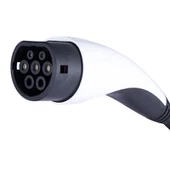
Connector compatibility check: Before use, make sure that the charger connector matches the vehicle charging port and the local standard. Different EV models may use different types of connectors (such as Type 1, Type 2, CCS, CHAdeMO, Tesla, etc.), and select the appropriate cable to ensure smooth charging.
Correct connection operation: When inserting or removing a charging cable, align the connector correctly to avoid excessive force or distortion of the cable. Ensure that the connection is stable, and ensure effective power transmission and safe charging.
Weather response: For chargers installed outdoors, pay special attention to weather conditions. Ensure that the housing and connectors are waterproof, and additional protective measures can be taken in extreme weather conditions, such as removing snow and preventing ice, to ensure safe and reliable charging.
Periodic maintenance suggestion
Visual inspection: Perform regular visual inspection to check the charger, connector, and cable for signs of wear, damage, or corrosion, and promptly detect and deal with potential problems to prevent the expansion of faults.
Connector cleaning: Keep the connector clean, and regularly use a soft cloth or small brush to remove dirt, dust and debris to ensure good electrical conductivity and avoid adverse charging effects due to contact.
Software update attention: Keep abreast of the charger software update information, modern chargers often improve performance, enhance security features and compatibility through updates. Make sure your device is running the latest firmware for the best use experience and security.


4. Frequently Asked Questions summary
Product selection and adaptation: Consider factors such as charging speed, connector type and compatibility with the vehicle to select the appropriate EV home charger to ensure that it meets vehicle and regional standards.
Installation methods and professional requirements: Although some chargers offer DIY installation options, given the importance of electrical safety, it is recommended to hire a professional electrician to install them and ensure compliance with local electrical codes and safety standards.
Charging speed and range: The charging speed and increase in range per hour depend on the charger power class and vehicle characteristics. Typical Level 1 chargers offer 3-5 miles per hour, while Level 2 chargers offer 10-60 miles per hour, depending on vehicle efficiency, battery condition, and charging Settings.
Relationship between charging time and battery capacity: The charging time is affected by the power of the charger and the capacity of the vehicle battery. For example, the Level 2 charger can provide a certain range of mileage per hour, but the time required for full charging still needs to be calculated according to the specific battery capacity.
Post-charge treatment: Most modern EV and charger designs allow the vehicle to remain connected after full charge, but it is recommended to follow the manufacturer's recommendations for long-term storage and disconnect the charger promptly after full charge.
Outdoor use feasibility: Many EV home chargers are designed for outdoor use, using waterproof and durable materials, but the product specifications need to be confirmed before use to ensure correct installation and maintenance to ensure long-term stable operation in outdoor environments.
Combined with other energy sources: some EV home chargers can be integrated with solar panels or other renewable energy sources to achieve clean energy charging, in line with the concept of environmental protection, users can choose the appropriate charging method according to their own energy conditions.
Operation in extreme weather: In extreme weather conditions, ensure that the waterproof, cold and other protective measures of the charger are in place, protect the connector from the impact of snow and ice, and take necessary precautions to ensure charging safety and normal operation of the equipment.
To sum up, APEKS EV home charger with its rich functions, reliable safety performance and convenient use experience provides electric vehicle users with an efficient and intelligent home charging solution, which strongly promotes the popularity and application of electric vehicles in home scenarios.