

Automaker
Easily increase your EV sales with our easy-to-use charger
The Type 1 EV Connector industry is undergoing a rapid transformation, driven by advancements in technology and an increasing focus on sustainability. One of the pivotal components in this evolution is the EV charging connector, a critical interface between the vehicle and the charging infrastructure. Automakers are heavily invested in the development and standardization of these connectors to ensure compatibility, efficiency, and user convenience.
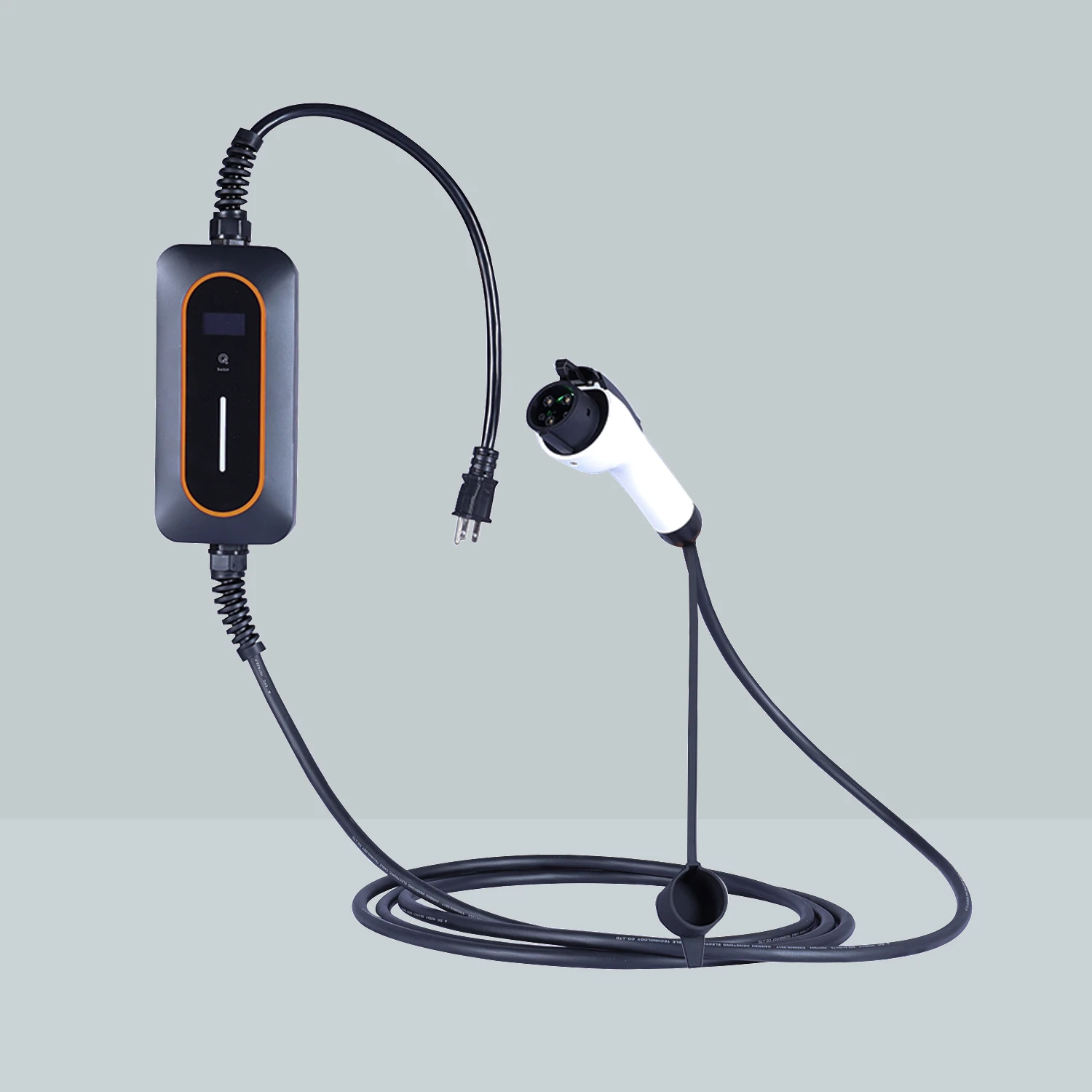
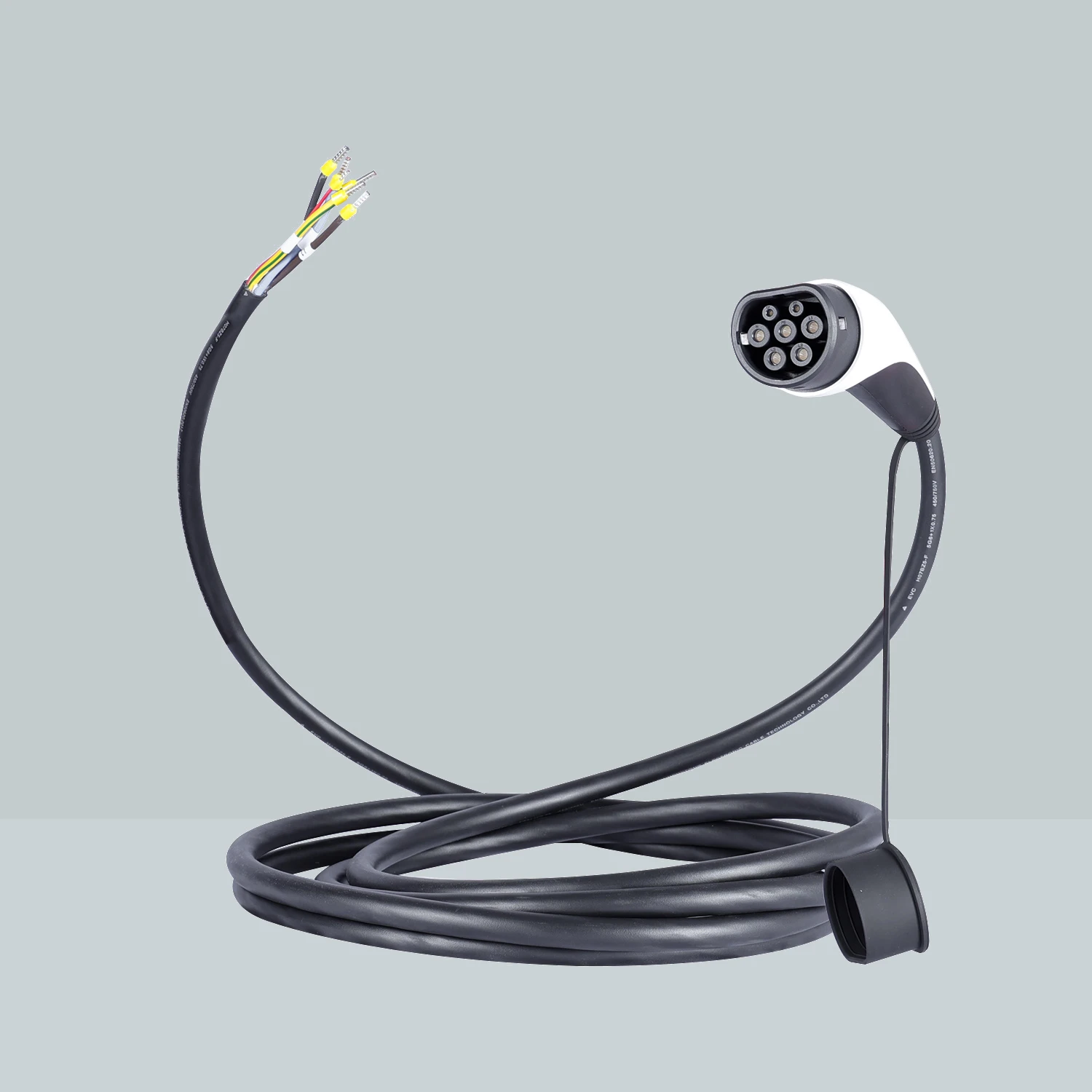
EV charging connectors come in various types, each with distinct characteristics and use cases. The most common types include Type 1 (SAE J1772), Type 2 (Mennekes), CHAdeMO, CCS (Combined Charging System), and Tesla’s proprietary connector. Each of these connectors supports different levels of charging power, ranging from slow AC charging to fast DC charging.
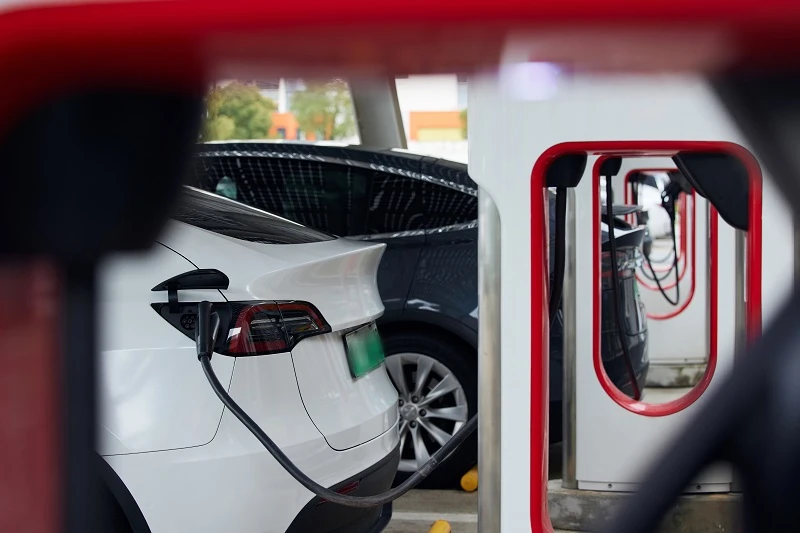
Increase Your Electric Vehicle Sales Easily
Our company focuses on providing you with customized OEM/ODM services to ensure a full range of charging solutions for your electric vehicle customers. Partner with us to support your EV charger and complete vehicle needs. Provide customized, reliable solutions to enhance your product competitiveness and meet customer needs.
Help You Extend Your Business To The Charging Network
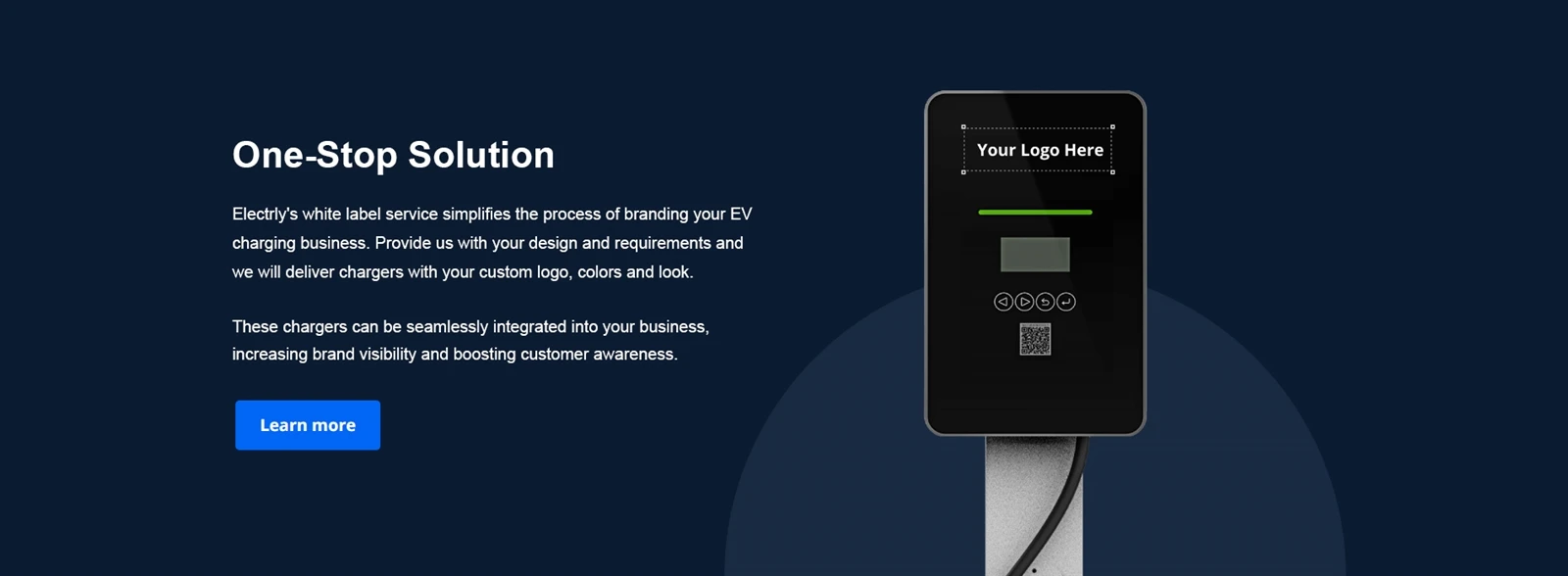
APKES' chargers allow you to create your own branded charging station, and with our expertise in manufacturing, we are able to provide customized products based on your specifications and requirements. This means you can focus more on marketing and sales, and we will provide you with customized charging solutions and build an efficient and reliable charging infrastructure for your brand.
Provide Customers With A Friendly Charging Experience
We paid full attention to user needs when designing the charger to provide a convenient charging experience. Our chargers are compatible with all plug-in vehicles, ensuring wide applicability. Easy to operate and easily start the charging process. It enables users to monitor charging status, adjust settings, and enjoy a more intelligent charging management experience through their smartphones in real time.
 Advantage
The development of charging connectors is also intertwined with advancements in battery technology and charging infrastructure.


1. Compatibility and Standardization
One of the primary advantages of EV charging connectors in the automotive industry is the growing trend towards compatibility and standardization. By adopting universal standards like CCS (Combined Charging System) and Type 2 connectors, automakers ensure that electric vehicles can use a wide range of charging stations globally. This standardization simplifies the user experience, reduces the need for multiple adapters, and fosters a more cohesive and accessible charging infrastructure. It also facilitates cross-brand interoperability, allowing consumers to charge their vehicles regardless of the manufacturer, which can significantly accelerate the adoption of electric vehicles.
2. Enhanced Charging Speed and Efficiency
Modern EV charging connectors are designed to support fast and ultra-fast charging capabilities, drastically reducing the time required to recharge an electric vehicle. Connectors such as CCS and Tesla’s proprietary Supercharger connector can handle high-power DC charging, enabling vehicles to gain substantial range within minutes rather than hours. This improvement in charging speed and efficiency addresses one of the critical concerns of EV users – charging time. By making EVs more convenient for daily use and long-distance travel, these advanced connectors play a pivotal role in enhancing the overall viability of electric vehicles as a mainstream mode of transportation.
3. Improved User Experience and Convenience
Automakers are investing heavily in the design and functionality of EV charging connectors to ensure they are user-friendly and convenient. Features such as ergonomic designs, robust and weather-resistant materials, and intuitive plug-and-play capabilities make the charging process straightforward and reliable for consumers. Safety mechanisms, including secure locking systems and communication protocols that ensure proper connection and power delivery, further enhance the user experience. This focus on convenience not only makes electric vehicles more appealing to a broader audience but also encourages more frequent and widespread use of public and private charging stations.
4. Support for Future Technologies
The development of EV charging connectors is closely aligned with advancements in battery technology and smart grid integration. Modern connectors are designed to handle higher power levels and bidirectional power flow, enabling innovations like vehicle-to-grid (V2G) technology. V2G allows electric vehicles to feed energy back into the grid, contributing to energy stability and allowing EV owners to potentially earn income by supplying power during peak demand times. Additionally, as battery technologies evolve to support greater capacities and faster charging times, the connectors are being continuously improved to match these advancements, ensuring that they remain future-proof and capable of supporting the next generation of electric vehicles.