

Type 1 EV Connector

Best Type 1 EV Connector Manufacturers
As a professional Type 1 EV Connector manufacturer, we are committed to providing customers with high-quality products and personalized solutions. With an experienced R&D team and advanced production equipment, we are able to meet the requirements of different electric vehicle charging projects.
As a leading Type 1 EV Connector manufacturer, APEKS can also customize according to customer needs. Please contact us for a free consultation.


Why Choose Us
Professional team
The company boasts a dedicated R&D team of over 100 professionals with over a decade of experience in electronic power supplies. Their expertise spans various domains, including materials, structures, electronics, appliances, software, hardware, and technology.
Technology Certification
APEKS have achieved notable certifications for their products, including ISO9001:2015 and IATF16949:2016 quality management system certifications, as well as essential testing and certification marks such as TUV, CE, UKCA, UL, and CQC.
Production Equipment
APEKS have a well-equipped manufacturing facility with over 200 large-scale production machines, coupled with well-established production, quality inspection, and transportation processes.
Global Sales
APEKS caters to an impressive list of customers, including well-known brands such as BYD, NIO, VESTEL, and VORWERK. Their global presence is evident, with products exported to more than 60 countries.
Benefits of Type 1 EV Connector
Widespread adoption
The Type 1 EV connector, also known as SAE J1772, has achieved widespread adoption, particularly in North America and some parts of Asia. This prevalence ensures compatibility with a significant number of electric vehicles and charging infrastructure, providing users with convenient and accessible charging options.
Standardized design
The Type 1 connector follows a standardized design, promoting interoperability between different electric vehicles and charging stations. This standardization simplifies the user experience, allowing EV owners to use various charging stations without compatibility concerns.
Safety features
SAE J1772 incorporates safety features, such as communication protocols between the vehicle and charging station to ensure proper connection and disconnection. This enhances user safety by reducing the risk of electrical hazards during the charging process.
Level 1 and Level 2 charging
The Type 1 connector supports both Level 1 and Level 2 charging, offering flexibility to users based on their charging needs. Level 1 charging utilizes standard household outlets, while Level 2 charging requires dedicated charging stations, providing faster charging times.
Ease of use
The Type 1 connector is designed for user-friendly operation. Its simple plug-and-play mechanism, where the J1772 plug on the charging station side connects to the J1772 inlet on the vehicle side, ensures ease of use for EV owners, making the charging process straightforward and efficient.
Compatibility with various EV models
Many electric vehicles from various manufacturers come equipped with the Type 1 connector, contributing to its versatility. This compatibility ensures that a broad range of EV models can utilize the same charging infrastructure, facilitating a seamless and standardized charging experience for users.
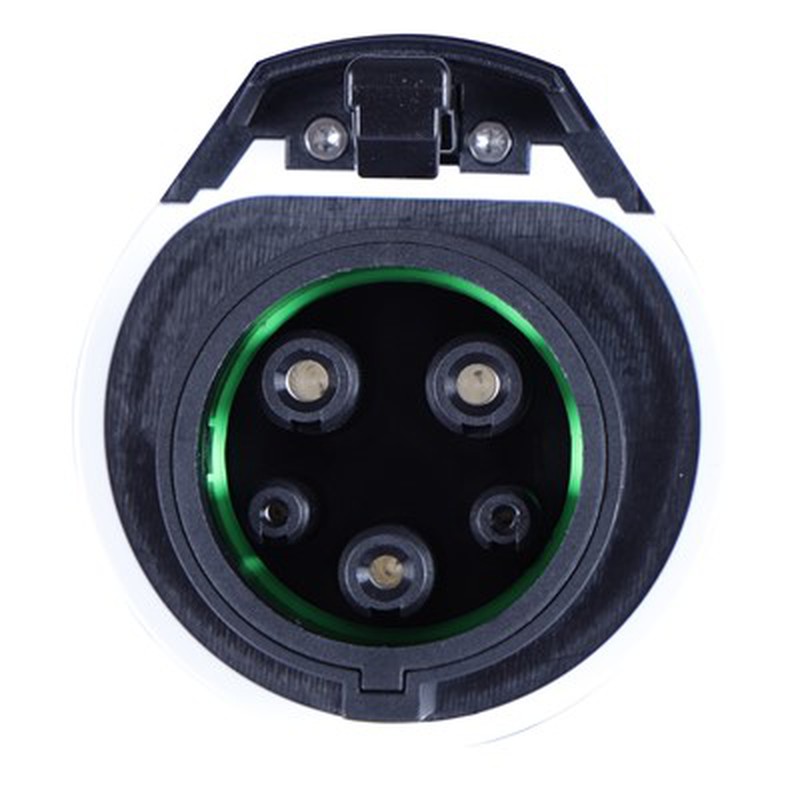
Type 1 EV connector housings are typically made from high-quality polymers or thermoplastics that resist environmental factors such as moisture, heat, and physical abrasion. Internal components, including conductive pins, are typically made from high-strength alloys to withstand the electrical demands of charging. Together, these materials increase the overall durability and safety of the Type 1 connector, ensuring it can withstand the rigors of daily use and various weather conditions while maintaining a safe and efficient charging connection.
Application of Type 1 EV Connector
The Type 1 EV connector is extensively applied in public charging stations, providing electric vehicle owners with a standardized interface for Level 1 and Level 2 charging. Its prevalence in these public spaces ensures widespread accessibility and convenience for users in regions where the Type 1 standard is predominant.
Many residential charging solutions utilize the Type 1 EV connector, allowing electric vehicle owners to charge their vehicles at home using standard household outlets or dedicated Level 2 home chargers. This application caters to the convenience of daily charging needs, supporting a seamless and standardized charging experience.
The Type 1 connector is commonly employed in workplace charging infrastructure, enabling employees to charge their electric vehicles during working hours. This application encourages the adoption of electric vehicles by providing convenient and standardized charging options at the workplace, contributing to sustainable commuting practices.
Along highways and major transportation routes, the Type 1 EV connector is utilized in fast-charging stations, facilitating efficient charging for electric vehicles on longer journeys. Its application in highway charging networks ensures that users can access rapid charging options and reduce charging times during travel.
The Type 1 EV connector is comprised of several integral components that work together to facilitate efficient and safe electric vehicle charging. Encased in a robust plug housing made of durable materials, the connector features conductive pins arranged in a specific configuration to enable the transfer of electrical power. Ground pins contribute to the electrical safety of the connector, while a secure locking mechanism ensures a stable connection during the charging process. The inclusion of communication protocols allows seamless interaction between the electric vehicle and the charging station, ensuring proper synchronization. A cable strain relief component enhances the overall durability of the Type 1 connector by relieving stress on the cable, providing a reliable and standardized solution for electric vehicle charging needs.
Maintenance Tips for Type 1 EV Connector
Regular cleaning
Clean the Type 1 EV connector regularly to remove dust, debris, and contaminants. Use a soft cloth or a brush to clean both the plug housing and the conductive pins, ensuring a reliable and unobstructed connection.
Inspect pins and terminals
Periodically inspect the conductive pins and terminals for signs of wear, corrosion, or damage. If any issues are detected, address them promptly to maintain optimal electrical conductivity during charging.
Check locking mechanism
Ensure that the locking mechanism is functioning correctly. This includes verifying that the connector securely locks into the vehicle's charging port, preventing unintentional disconnections during the charging process.
Verify cable strain relief
Check the cable strain relief to ensure it is intact and functioning effectively. This component helps prevent damage to the cable and ensures a secure connection between the Type 1 connector and the charging station or vehicle.
Monitor cable condition
Inspect the entire length of the charging cable for any signs of wear, fraying, or damage. Address any issues promptly to prevent potential safety hazards and maintain the longevity of the charging cable.
Stay informed about updates
Keep abreast of any manufacturer updates or recalls related to the Type 1 EV connector. Regularly check for firmware or software updates that may enhance the performance, security, or functionality of the connector, ensuring it remains up-to-date and reliable.
Things to Note When Using Type 1 EV Connector
Properly handle the charging cable to avoid strain or damage. Avoid sharp bends or kinks, and refrain from placing heavy objects on the cable. Additionally, be cautious of potential tripping hazards to ensure the safety of both the user and the charging equipment. Regularly inspect the cable for wear or damage and address any issues promptly.
Connector compatibility
Confirm the compatibility of the Type 1 EV connector with your electric vehicle's charging port. Ensure that the vehicle supports the Type 1 standard, as variations exist globally, and this connector may not be universally compatible with all electric vehicles.
Secure connection
When using the Type 1 EV connector, ensure a secure connection by properly inserting and locking the plug into the vehicle's charging port. A secure connection is vital for efficient charging and prevents potential safety hazards due to loose connections.
Environmental conditions
Be mindful of environmental conditions when using the Type 1 connector. While it is designed to withstand typical weather conditions, extreme weather, such as heavy rain or snow, may impact the charging process. Utilize protective covers or choose covered charging stations in adverse weather conditions.
Are There Any Safety Features Built Into a Type 1 EV Connector?
The Type 1 EV connector incorporates several safety features to ensure secure and reliable charging. The standardized design includes a secure locking mechanism that ensures a stable connection between the connector and the electric vehicle's charging port, minimizing the risk of accidental disconnections. Additionally, communication protocols are embedded to enable seamless interaction between the electric vehicle and the charging station, allowing for controlled and synchronized charging processes. The connector design also considers electrical safety, with ground pins providing proper grounding during charging. These safety features collectively contribute to a secure and standardized charging experience, prioritizing user safety and the integrity of the charging infrastructure.
Connecting and disconnecting a Type 1 EV connector is designed to be a straightforward process, emphasizing user-friendly operation. To initiate the charging process, users align the connector's plug with the electric vehicle's Type 1 charging port and firmly insert it until the locking mechanism engages securely. The locking mechanism ensures a stable connection during the charging session. Disconnecting is equally uncomplicated, typically involving the press of a release button or lever on the connector to disengage the lock, allowing for the smooth removal of the plug. This simplicity in connection and disconnection contributes to the overall user convenience, making the Type 1 EV connector an accessible and hassle-free solution for electric vehicle charging.

Can a Type 1 EV Connector Be Used For Hybrid Electric Vehicles?
A Type 1 EV connector can be used for hybrid electric vehicles (HEVs) that feature compatible charging ports. While hybrid vehicles typically rely on internal combustion engines and do not solely depend on electric power, some HEVs come equipped with the ability to charge their batteries through external power sources. In such cases, if the hybrid vehicle is designed to support the Type 1 standard, users can utilize the Type 1 EV connector for charging. It's essential to verify the charging port compatibility of the specific hybrid model and adhere to the manufacturer's recommendations regarding charging methods. The Type 1 connector provides a standardized and user-friendly solution for charging both electric and hybrid vehicles in regions where this connector standard is prevalent.
What is The Power Rating of a Type 1 EV Connector?
The power rating of a Type 1 EV connector, conforming to the SAE J1772 standard, typically ranges from 3.3 kW to 19.2 kW for Level 2 charging. This allows for efficient charging of electric vehicles at various charging stations equipped with Type 1 connectors. While Level 1 charging through standard household outlets may have lower power ratings, Level 2 charging, which requires dedicated charging stations, enables faster charging speeds within the specified power range. The flexibility in power ratings accommodates different electric vehicle models and charging infrastructure, providing users with convenient and versatile charging options.
Can a Type 1 EV Connector Be Used For Both AC And DC Charging?
The Type 1 EV connector, following the SAE J1772 standard, is primarily designed for AC (alternating current) charging. It supports Level 1 and Level 2 charging, making it suitable for residential charging with standard household outlets and faster charging at dedicated Level 2 charging stations. However, for DC (direct current) fast charging, a different connector type, such as the CCS (Combined Charging System) or CHAdeMO, is required. These DC fast charging connectors offer higher power levels and are designed specifically for the rapid charging of electric vehicles. While the Type 1 connector excels in AC charging scenarios, it is not compatible with the higher power demands of DC fast charging.
How Many Pins Does a Type 1 EV Connector Have?
Type 1 EV connectors follow the SAE J1772 standard and typically have five pins. These pins have specific functions, including power transmission, grounding, and communication between the electric vehicle and the charging station. Standardized pin configuration ensures compatibility and reliable communication during charging. The five-pin design facilitates AC power transfer for Level 1 and Level 2 charging, making it a widely adopted connector for electric vehicles in some regions.
Is a Type 1 EV Connector Weatherproof?
Type 1 connectors are designed to withstand typical weather conditions, offering protection against rain and moisture. Many connectors come equipped with sealing mechanisms and durable materials to prevent water ingress and ensure safe operation in various environmental conditions. Refer to manufacturing specifications for the level of weatherproofing and environmental suitability of a specific Type 1 EV connector model. Regular maintenance and inspections are recommended to ensure continued effectiveness, especially in areas with extreme weather conditions.

What is The Maximum Charging Speed Supported By a Type 1 EV Connector?
The maximum charging speed supported by a Type 1 EV connector, adhering to the SAE J1772 standard, is typically within the range of 3.3 kW to 19.2 kW for Level 2 charging. This allows for efficient charging at various dedicated Level 2 charging stations. While Level 1 charging, utilizing standard household outlets, may have a lower charging speed, Level 2 charging offers faster and more convenient charging options within the specified power range. It's important to note that Type 1 connectors are not designed for DC fast charging, which involves higher power levels, and users looking for rapid charging should consider connectors specifically designed for DC fast charging, such as CCS or CHAdeMO.
Is a Type 1 EV Connector Compatible With All Electric Vehicles?
While the Type 1 EV connector, following the SAE J1772 standard, is widely adopted, its compatibility with all electric vehicles depends on the vehicle's charging port design. Many electric vehicles, especially those in North America and some parts of Asia, come equipped with Type 1 connectors. However, global variations in connector standards mean that not all electric vehicles use Type 1 connectors. Regions such as Europe commonly use Type 2 connectors. As a result, compatibility is contingent upon the specific charging infrastructure and connector type supported by both the vehicle and the charging station. As electric vehicle increasingly adopt standardized connectors, the Type 1 connector remains a prevalent choice but may not be universal across all electric vehicle models worldwide.
The primary difference between a Type 1 and a Type 2 EV connector lies in their design and usage. The Type 1 connector, based on the SAE J1772 standard, is predominantly used in North America and parts of Asia. It features a single-phase AC charging design and is characterized by its five-pin configuration. The Type 2 connector, conforming to the IEC 62196 standard, is more prevalent in Europe. It supports both single-phase and three-phase AC charging, offering a greater range of charging capabilities. The Type 2 connector features a seven-pin configuration, allowing it to accommodate additional functionalities such as DC charging. While both connectors aim to standardize electric vehicle charging, regional preferences and infrastructure variations have led to their distinct usage in different parts of the world.
Can a Type 1 EV Connector Be Used For Public Charging Stations?
A Type 1 EV connector is commonly used for public charging stations, particularly in regions where it is the prevalent standard, such as North America and certain parts of Asia. Public charging stations equipped with Type 1 connectors offer electric vehicle owners the convenience of easily accessing charging infrastructure in public spaces, parking lots, and along highways. This compatibility fosters a seamless charging experience for electric vehicle users, allowing them to utilize public charging networks for both Level 1 and Level 2 charging. However, in regions where Type 2 connectors are more prevalent, users may encounter Type 2 connectors at public charging stations, and adapter cables or dual-standard charging stations may be required for compatibility with Type 1-equipped vehicles.
FAQ
Q: What is a Type 1 EV connector?
Q: Where is the Type 1 EV connector commonly used?
Q: What is the power rating of a Type 1 EV connector?
Q: Can a Type 1 EV connector be used for both AC and DC charging?
Q: Can a Type 1 EV connector be used with solar panels?
Q: What is the maximum charging speed supported by a Type 1 EV connector?
Q: Is a Type 1 EV connector weatherproof?
Q: Can a Type 1 EV connector be used for fast charging?
Q: What is the size and weight of a typical Type 1 EV connector?
Q: How long is the standard cable length for a Type 1 EV connector?
Q: Can a Type 1 EV connector be used for home charging?
Q: What is the difference between a Type 1 and a Type 2 EV connector?
Q: Is a Type 1 EV connector compatible with all electric vehicles?
Q: Can a Type 1 EV connector be used for public charging stations?
Q: What is the expected lifespan of a Type 1 EV connector?
Q: Are there any safety features built into a Type 1 EV connector?
Q: Can a Type 1 EV connector be used for hybrid electric vehicles?
Q: How easy is it to connect and disconnect a Type 1 EV connector?
Q: Are there any special considerations when using a Type 1 EV connector in cold weather conditions?
Q: How much electricity does it take to charge an electric vehicle with a Type 1 EV connector?
As one of the best type 1 ev connector manufacturers and suppliers in China, we warmly welcome you to wholesale cheap type 1 ev connector from our factory. All our products are with high quality and competitive price.
Type 1 Connector Ev, EV Connector, Type 1 EV Connector