

Table of Contents
1. Market size continues to expand
2. Technological innovation drives development
3. Competition is becoming increasingly fierce
4. Policy support provides protection
5. Outlook for future development trends
1. Market size continues to expand
According to a market research report, the global electric vehicle charging socket market size reached RMB 77.184 billion in 2023, and is expected to grow at an average rate of 18.50% to RMB 262.54 billion by 2029. This growth is mainly due to the rapid increase in the number of electric vehicles in the world and the increasing demand of consumers for convenient and efficient charging facilities. At the same time, governments of various countries have introduced encouraging policies to vigorously promote the development of the electric vehicle industry, further stimulating the prosperity of the charging socket market.
2. Technological innovation drives development
(1.) Patent for liquid-cooled EV Charging Cables station improves stability: On January 20, 2025, the financial sector reported that Shenzhen Chuangyixin Precision Electronics Co., Ltd. applied for a patent for "a liquid-cooled charging station for new energy vehicles". The liquid-cooled charging station adopts a new alloy material integrated molding process, with a compact structure. The powerful water cooling effect makes charging more stable. The stable charging working temperature also helps to extend the service life of the liquid-cooled charging station, which is significantly improved compared to traditional products.
(2.) The patent for integrated charging socket facilitates production and installation: On January 16, 2025, Henan Hangrui Electronic Technology Co., Ltd. obtained a patent for "an integrated Outdoor Socket For Ev Charging for new energy vehicles". The patent divides the charging socket into a fast charging module, a slow charging module and a terminal group. During the production process, the fast charging module and the slow charging module are produced separately and then connected and installed with the terminal group, making the production and installation of the charging socket more convenient.
3. Competition is becoming increasingly fierce

APEKS is a leading manufacturer of electric vehicle (EV) charging connectors, committed to providing reliable and efficient charging solutions. Our connectors use cutting-edge technology to enable fast, safe, and seamless power transfer between all types of electric vehicles.
Our EV charging connectors are made of durable, high-quality materials to withstand daily use and harsh weather conditions. They have advanced safety features such as overcurrent protection, thermal management, and a safety locking system to prevent accidental disconnection.
When you choose APEKS EV charging connectors, you are working with a company known for exceeding industry standards and certifications such as UL, CE, and ROHS. These certifications ensure that our products meet the highest safety and quality benchmarks for your charging needs.
Choose APEKS EV charging connectors and experience unmatched quality, reliability, and performance to move you toward a cleaner, electrified future.
Electric vehicle charging connector production process

Design and Specification:
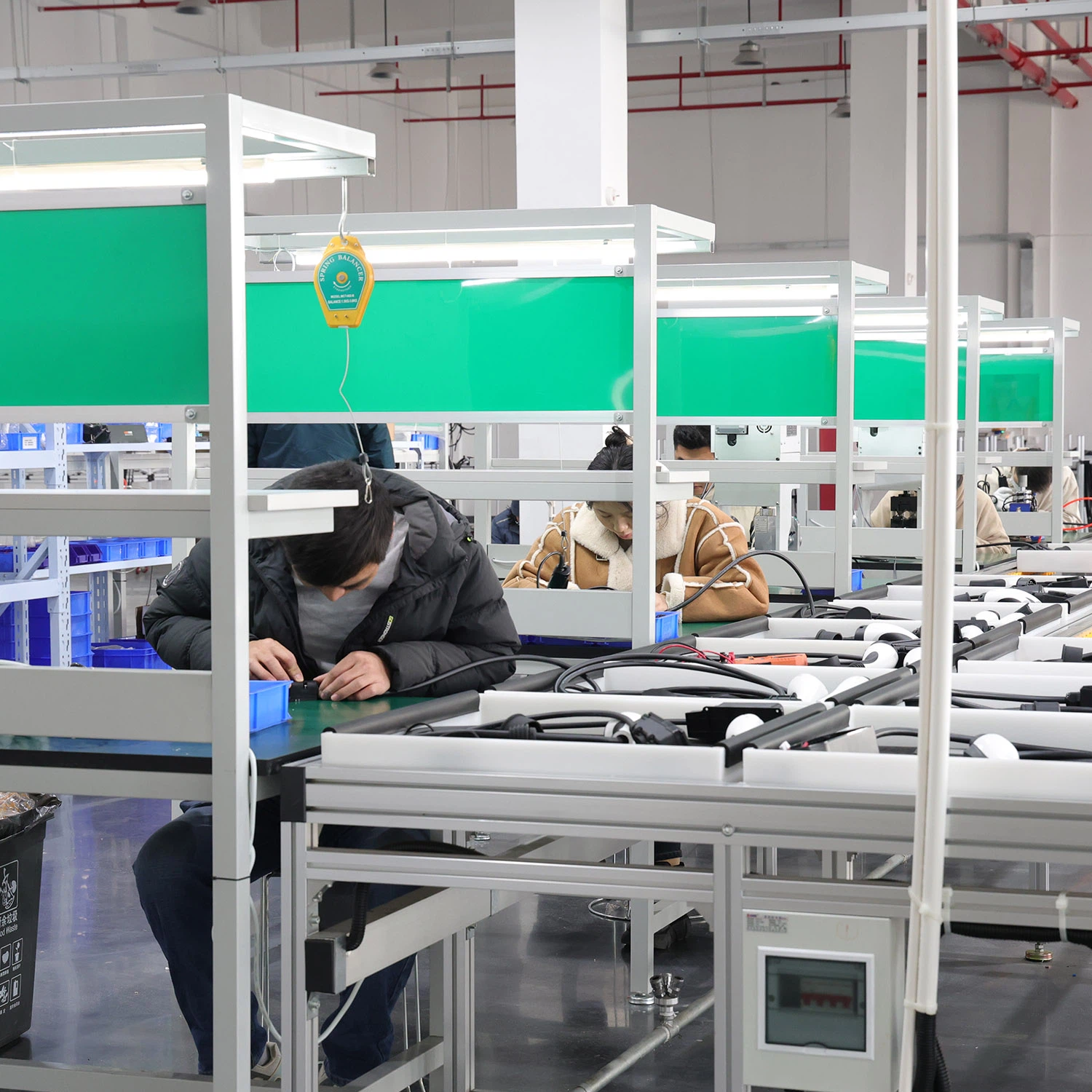
The process begins with detailed design and specification development based on industry standards and customer requirements. This includes determining the type of connector (e.g., Type 1, Type 2, CCS), electrical specifications, and mechanical dimensions.
Material Procurement:
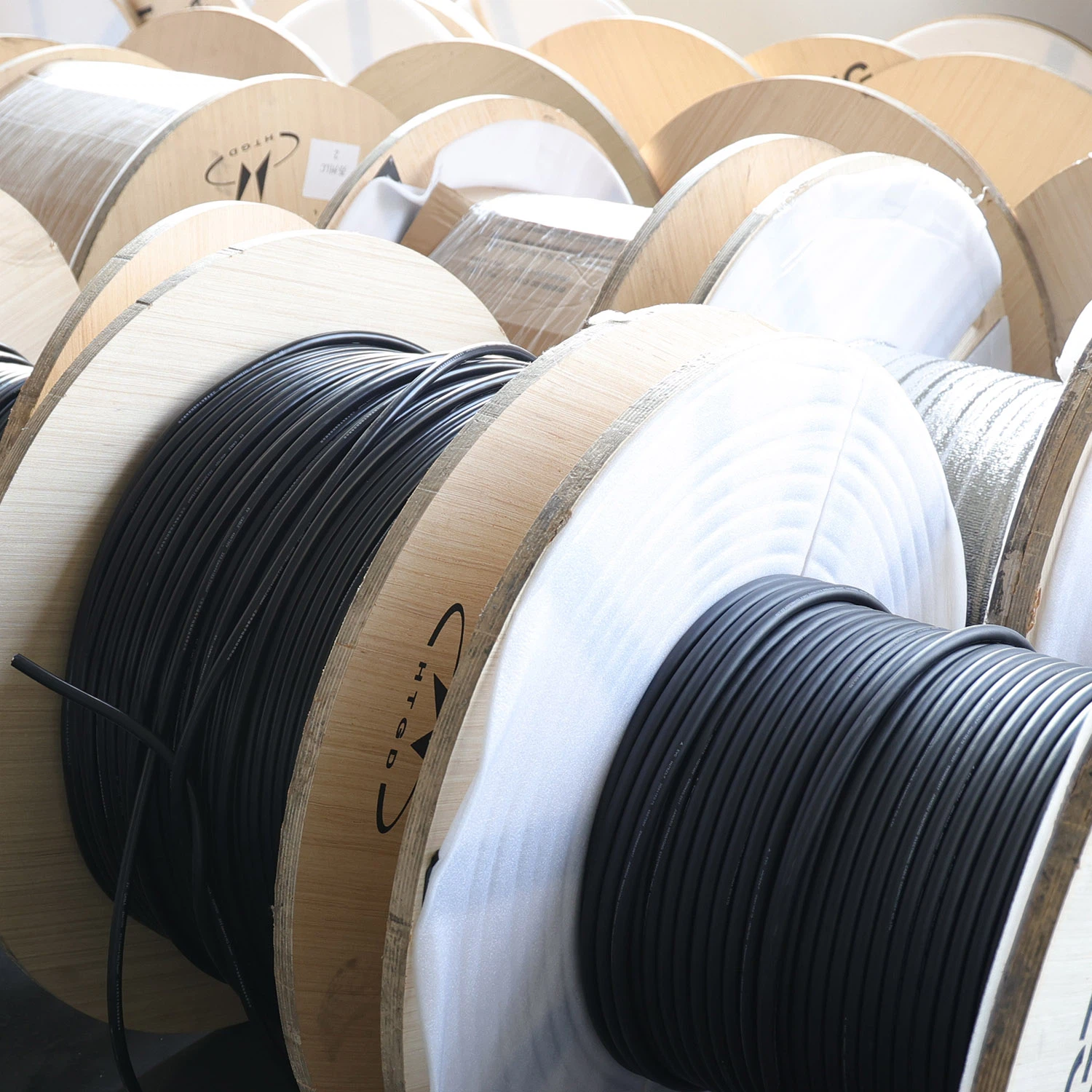
High-quality materials such as copper alloys for conductive elements, robust plastics for housing, and weather-resistant coatings are sourced from trusted suppliers. Each material is selected to ensure durability, electrical conductivity, and compatibility with environmental conditions.
Material Selection:
High-quality materials such as robust plastics, durable metals (e.g., stainless steel, aluminum), and conductive alloys are chosen to ensure longevity and reliability of the charging connector.
Metal Fabrication:
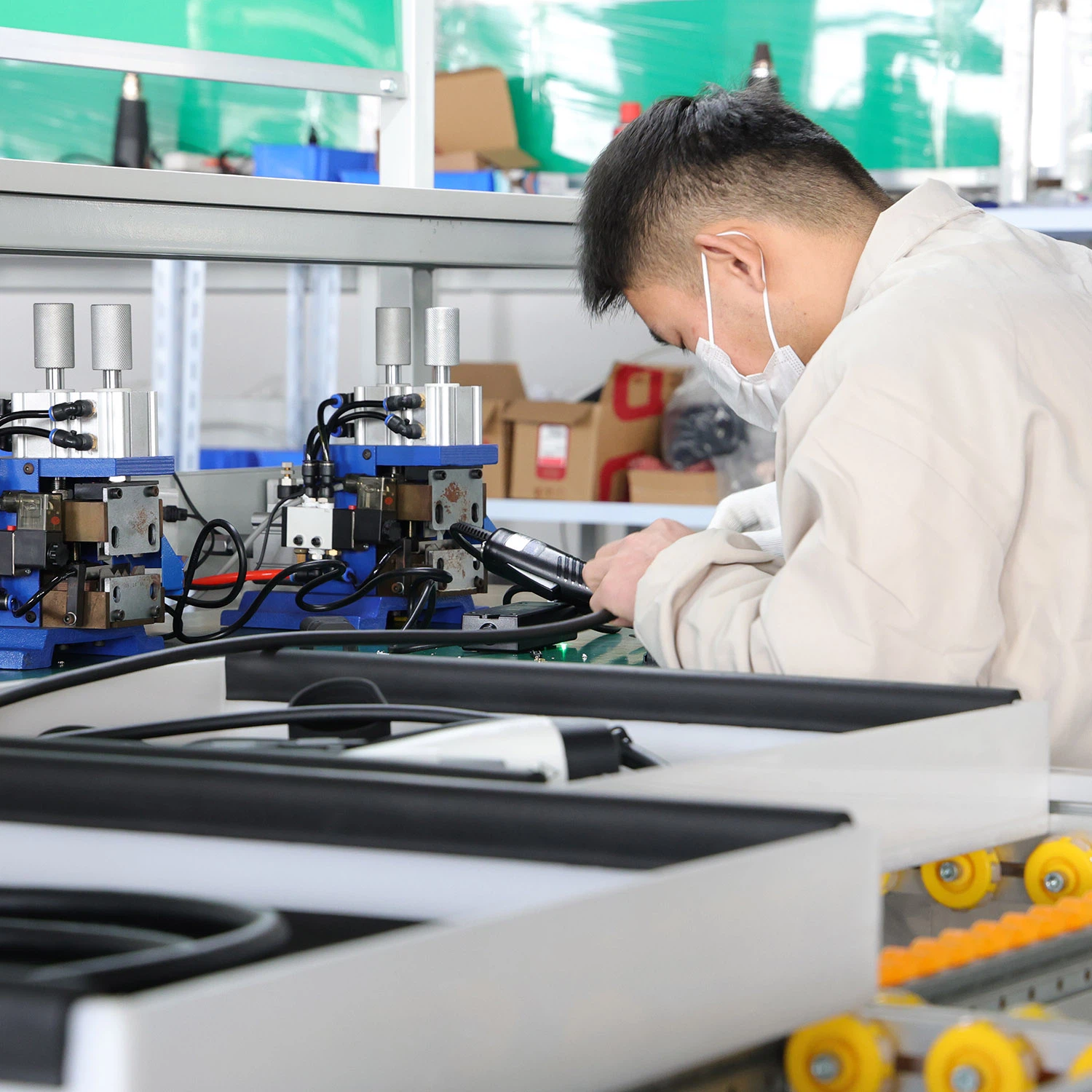
Conductive elements such as pins, sockets, and locking mechanisms are fabricated using CNC machining, die casting, or stamping methods. These processes ensure precise dimensions and optimal electrical conductivity.
Quality Control:
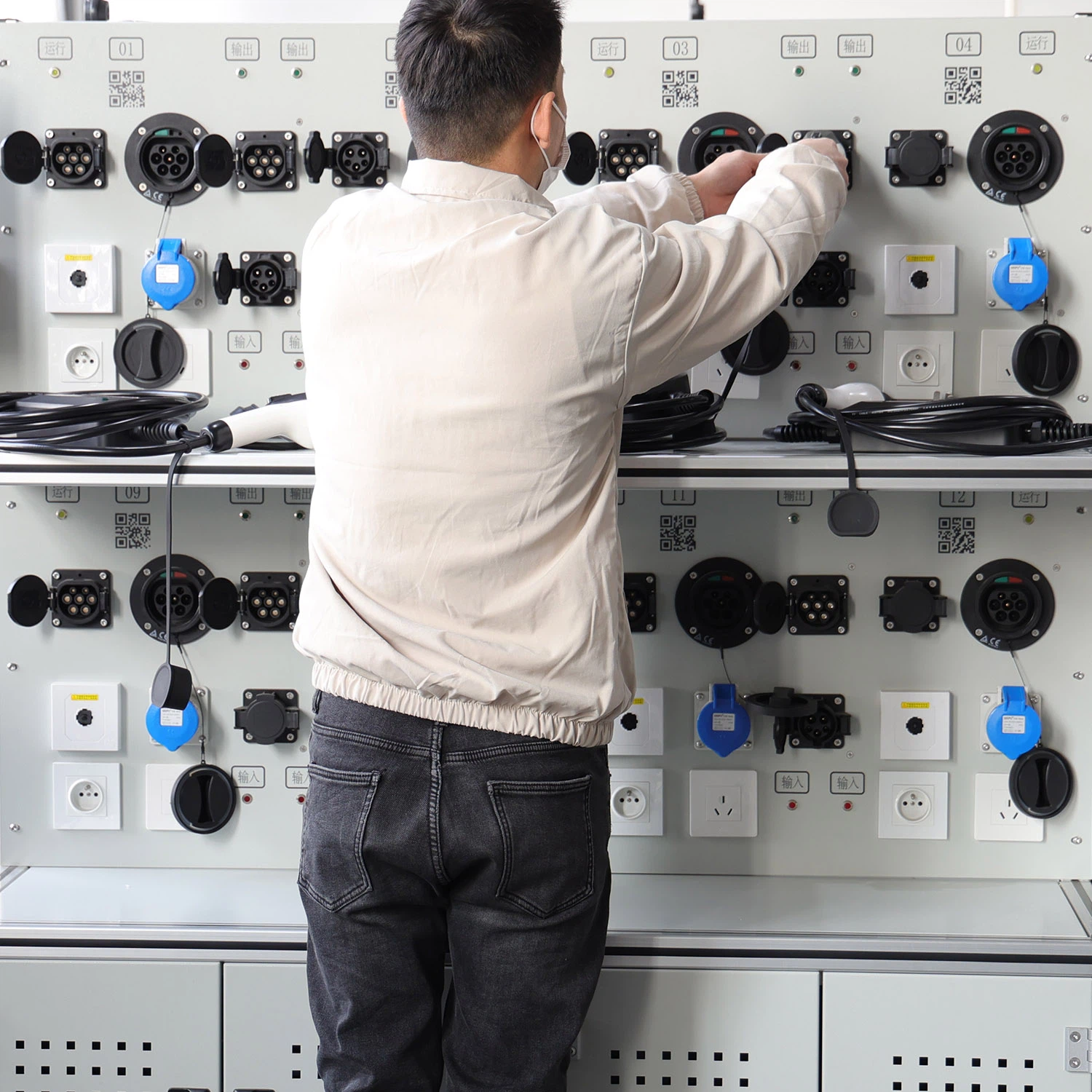
Throughout the production process, stringent quality control measures are implemented. This includes visual inspections, electrical testing to verify conductivity and insulation resistance, mechanical stress testing to assess durability, and environmental testing to evaluate performance under varying conditions (e.g., temperature, humidity).

Packaging and Distribution:
Once quality checks are completed and the charging connectors meet all specifications, they are carefully packaged to prevent damage during transportation. Products are then distributed to EV charging station manufacturers, automotive OEMs, and other customers worldwide
4. Policy support provides protection
In order to promote the development of the electric vehicle industry, governments of various countries have introduced a series of supporting policies. For example, in terms of subsidy policies, certain financial subsidies are given to the purchase of electric vehicles and the installation of charging facilities; in terms of infrastructure construction planning, it is clearly stated that efforts should be made to increase the construction of public charging piles, private charging piles and other facilities. The implementation of these policies has provided a good development environment for the electric vehicle charging socket industry and has effectively promoted market demand and industry development.
5. Outlook for future development trends
(1.) Intelligence: Future charging sockets will integrate more intelligent technologies, such as automatic identification of battery type, automatic adjustment of charging parameters, remote monitoring and control, etc. Users can view the charging status in real time through smartphone applications, and even schedule charging time, achieving smarter energy management.
(2.) Efficiency: With the continuous advancement of battery technology and charging technology, fast charging will become standard. The application of high-power DC fast charging technology will significantly reduce charging time and improve users' charging experience.
(3.) Wireless: Wireless charging technology is expected to achieve greater breakthroughs, providing users with a more convenient charging method, and further improving the convenience and flexibility of electric vehicle use.
In summary, the EV charging socket industry is in a golden period of rapid development, and the continuous expansion of the market size demonstrates its huge development potential and broad prospects. As the core driving force for the development of the industry, technological innovation has continuously promoted breakthroughs in performance, stability, and convenience of production and installation of charging sockets, providing a solid guarantee for meeting the growing demand for electric vehicle charging.
However, the fierce competition has also prompted companies to continuously improve their own strength in order to occupy a place in the market. In this process, policy support has undoubtedly played a key role in escorting and creating a good policy environment for the orderly development of the industry.
Looking to the future, the development trend of intelligence, efficiency and wireless will reshape the industry landscape of EV charging sockets, not only bringing users a more convenient and intelligent charging experience, but also further promoting the vigorous development of the electric vehicle industry. All companies need to keep up with these trends, increase R&D investment, and actively innovate to adapt to market changes. At the same time, industry participants should also work together to promote the establishment of unified standards and specifications, promote the healthy and sustainable development of the entire industry, and allow EV charging sockets to better serve the grand blueprint of the global electric vehicle industry.


