

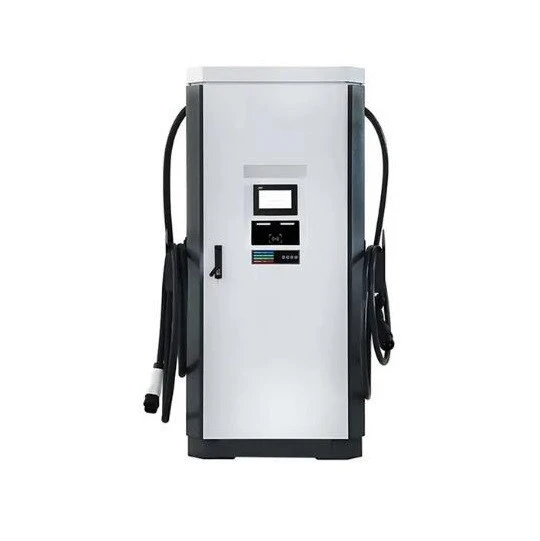
EV electronic locks refer to advanced locking mechanisms integrated into electric vehicles (EV) to enhance security and control access to the vehicle. These electronic locks replace traditional mechanical locks with electronic components such as sensors, actuators, and control units. They often incorporate keyless entry systems, allowing users to lock and unlock their EV using key fobs, smartphone apps, or other electronic credentials. The evolution of electronic locks aligns with the technological advancements in the automotive industry, offering users a seamless and secure way to interact with their electric vehicles.
Benefits of EV Electronic Locks
Enhanced security
EV electronic locks offer heightened security through advanced authentication methods such as keyless entry, biometric recognition, or secure smartphone apps. This reduces the risk of unauthorized access and enhances the overall protection of the electric vehicle.
Convenient keyless entry
The keyless entry feature of EV electronic locks provides users with convenience by eliminating the need for traditional keys. Users can effortlessly lock and unlock their electric vehicles with key fobs or smartphone apps, streamlining the entry process.
Customizable access control
Electronic locks enable customizable access control, allowing vehicle owners to grant specific permissions to different users. This feature is particularly useful for shared or fleet electric vehicles, allowing tailored access levels for drivers or service personnel.
Remote control and monitoring
Many EV electronic locks offer remote control and monitoring capabilities. Users can remotely lock or unlock their vehicles and receive real-time status updates, providing an additional layer of convenience and security, especially in situations where physical access is challenging.
Integration with vehicle systems
Electronic locks can integrate seamlessly with other vehicle systems, enhancing overall functionality. Integration with the vehicle's central control unit allows for synchronized operations, such as automatically locking doors when the vehicle is in motion or unlocking upon approach.
Improved anti-theft features
EV electronic locks often come with advanced anti-theft features, such as tamper detection and alerts. In the event of a break-in attempt or suspicious activity, the system can trigger alarms or notifications, further deterring theft and ensuring the safety of the electric vehicle.

Why Choose Us
Professional team
The company boasts a dedicated R&D team of over 100 professionals with over a decade of experience in electronic power supplies. Their expertise spans various domains, including materials, structures, electronics, appliances, software, hardware, and technology.
Technology Certification
APEKS have achieved notable certifications for their products, including ISO9001:2015 and IATF16949:2016 quality management system certifications, as well as essential testing and certification marks such as TUV, CE, UKCA, UL, and CQC.
Production Equipment
APEKS have a well-equipped manufacturing facility with over 200 large-scale production machines, coupled with well-established production, quality inspection, and transportation processes.
Global Sales
APEKS caters to an impressive list of customers, including well-known brands such as BYD, NIO, VESTEL, and VORWERK. Their global presence is evident, with products exported to more than 60 countries.
What Types of Authentication Methods Are Commonly Used in EV Electronic Locks?
EV electronic locks employ various authentication methods to enhance security and control access. Keyless entry systems often rely on radio-frequency identification (RFID) technology, allowing users to unlock their vehicles by simply being in proximity with a key fob or card. Additionally, biometric authentication methods, such as fingerprint or facial recognition, provide a higher level of security by verifying the user's unique biological features. Some systems integrate with smartphone apps, utilizing secure Bluetooth or Near Field Communication (NFC) connections for authentication. These authentication methods collectively offer a seamless and secure way for users to access their electric vehicles while minimizing the risk of unauthorized entry.
Can EV Electronic Locks Be Integrated With Smartphone Apps For Remote Control?
EV electronic locks can be seamlessly integrated with smartphone apps, enabling users to have remote control over the locking and unlocking functions of their electric vehicles. Through secure Bluetooth or Near Field Communication (NFC) connections, these apps facilitate keyless entry, allowing users to lock or unlock their vehicles with a simple tap on their smartphones. This integration not only enhances convenience by eliminating the need for traditional keys or key fobs but also enables users to remotely monitor the status of their vehicle's locks. The integration of EV electronic locks with smartphone apps aligns with the growing trend of smart and connected electric vehicles, providing users with an efficient and secure means of controlling access to their vehicles.
Electronic locks play a crucial role in enhancing the overall safety of electric vehicles (EV). By incorporating advanced authentication methods like keyless entry systems, biometric recognition, and smartphone app integration, electronic locks significantly reduce the risk of unauthorized access or theft. The ability to remotely control and monitor the locks adds an extra layer of security, allowing users to respond promptly to security threats. Additionally, these locks often integrate with the vehicle's central control unit, enabling synchronized operations and features like automatic locking when the vehicle is in motion. The advanced security measures provided by electronic locks contribute to creating a secure environment for EV, promoting user confidence and supporting the broader goal of fostering a safe and reliable electric mobility experience.
What Measures Are in Place to Prevent EV Electronic Lock Malfunctions or Glitches?
EV electronic locks often incorporate redundant systems to mitigate the impact of malfunctions. This may include dual authentication methods or backup access mechanisms, ensuring that users can still access their vehicles even if one system experiences a glitch.
Manufacturers frequently release software updates to address potential vulnerabilities and improve the performance of EV electronic locks. Regularly updating the lock's firmware helps prevent glitches by addressing known issues and enhancing overall system stability.
Employing high-quality materials and stringent manufacturing processes helps minimize the risk of electronic lock malfunctions. Robust construction and rigorous quality control contribute to the reliability of the electronic lock, reducing the likelihood of glitches due to physical wear or suboptimal components.
Many EV electronic locks feature diagnostic systems that monitor the lock's performance. In case of irregularities or potential malfunctions, the system can generate alerts to notify users or service personnel, allowing for timely intervention and maintenance to prevent further issues.
Integrating EV electronic locks with vehicle systems elevates overall functionality by seamlessly connecting security features with the vehicle's electronic network. This synchronization enables centralized control, allowing users to remotely manage and monitor the locking system through the vehicle's interface or dedicated mobile apps. The integration also enhances safety by facilitating automated responses, such as unlocking doors in emergency situations. This cohesive interaction between electronic locks and vehicle systems not only streamlines user experience but also contributes to a more interconnected and secure driving environment.
Material of EV Electronic Locks
EV electronic locks are typically crafted from durable and lightweight materials, often incorporating a combination of high-strength alloys and advanced polymers. These materials ensure robust performance, resistance to wear, and protection against environmental factors such as corrosion. Additionally, the design prioritizes both security and efficiency, contributing to the overall reliability of the electric vehicle's locking system.
Is There An Alternate Method of Accessing An Electric Car Equipped With An EV Electronic Lock?
In the event of a technical issue or electronic failure, electric cars equipped with EV electronic locks usually have alternative access methods. This can include traditional physical keys, key fobs, or emergency mechanical overrides. These backup options ensure that users can still gain access to their vehicles even if the electronic locking system experiences a malfunction, offering a reliable contingency for unforeseen circumstances.
EV electronic locks find versatile applications in electric vehicles, enhancing security and convenience. These locks are commonly employed in door access systems, ensuring controlled and efficient entry. They are integrated into charging port access points, safeguarding against unauthorized usage. Additionally, electronic locks are utilized in the trunk and glove compartment, providing secure storage. Their adaptability extends to advanced features such as geofencing, allowing users to define virtual boundaries for automatic locking or unlocking based on the vehicle's location. The application of EV electronic locks contributes to a holistic approach to vehicle security and user accessibility.
EV electronic locks often come equipped with remote disabling capabilities to address security threats or emergencies swiftly. This feature allows authorized users, such as vehicle owners or security personnel, to remotely deactivate the electronic locks in situations requiring immediate intervention. This can be crucial in preventing unauthorized access or responding to potential security risks promptly. The ability to disable the locks remotely adds an extra layer of control and safety to electric vehicles equipped with advanced electronic locking systems.

Components of EV Electronic Locks
The components of EV electronic locks typically include sensors, actuators, control units, and communication modules. Sensors detect signals from key fobs, smartphones, or biometric inputs, triggering the unlocking mechanism. Actuators physically control the locking and unlocking of doors or access points. The control unit processes input signals and manages the overall functioning of the lock system. Communication modules enable connectivity, facilitating remote access or disabling features. Together, these components form a sophisticated and integrated system that ensures secure, efficient, and connected electronic locking in electric vehicles.
How Do EV Electronic Locks Handle Power Consumption To Ensure Minimal Impact on The Electric Vehicle's Battery?
EV electronic locks prioritize power efficiency to minimize impact on the vehicle's battery. These locks employ energy-efficient components and advanced sleep modes, allowing them to consume minimal power when not in use. Additionally, intelligent power management systems ensure that the electronic locks operate optimally without placing a significant burden on the vehicle's battery. This meticulous approach to power consumption ensures that electric vehicles equipped with electronic locks maintain efficient energy utilization, contributing to an overall sustainable and reliable driving experience.
How to Maintain EV Electronic Locks
Regular cleaning
Keep the electronic lock components clean from dust, debris, and moisture. Wipe surfaces with a gentle, non-abrasive cloth to prevent buildup that could affect the sensors or actuators.
Battery maintenance
Ensure the power source, typically batteries, is in good condition. Regularly check and replace batteries as needed, following the manufacturer's recommendations. This prevents unexpected failures and ensures continuous operation.
Software updates
Stay updated with the latest firmware or software releases provided by the manufacturer. These updates may include security enhancements, bug fixes, or improved energy management, enhancing the overall performance and reliability of the electronic lock system.
Inspect physical components
Periodically inspect the physical components such as sensors, actuators, and wiring for signs of wear or damage. Replace any damaged parts promptly to maintain the integrity of the electronic lock.
Secure communication
If the electronic lock relies on wireless communication, ensure that the communication channels are secure. Regularly update encryption keys and passwords to prevent unauthorized access and enhance the overall cybersecurity of the lock system.
Emergency manual override
Familiarize yourself with the manual override procedures in case of electronic system failures. Manufacturers often provide a physical key or alternative access method for emergency situations. Regularly check that these manual override methods are functional to ensure access in unforeseen circumstances.
What Are The Safety Features of EV Electronic Locks?
EV electronic locks often incorporate an emergency unlocking mechanism for swift access in critical situations. This can include manual overrides, key fobs with emergency buttons, or smartphone apps with dedicated emergency features, ensuring quick and secure access when needed.
Tamper detection and alerts
Advanced electronic locks for electric vehicles come equipped with tamper detection features. These systems can detect unauthorized attempts to manipulate or force entry and trigger alarms or notifications to the vehicle owner or security personnel, enhancing the overall security of the EV.
Geofencing for auto-locking
Some electronic locks integrate geofencing capabilities, automatically locking the vehicle when it moves beyond predefined geographical boundaries. This feature adds an extra layer of security by preventing unauthorized access in unfamiliar or potentially unsafe locations.
Remote locking/disabling
The ability to remotely lock or disable the electronic locks is a crucial safety feature. In case of a security threat or emergency, authorized users can take immediate action from a distance, preventing unauthorized access and ensuring the safety of the vehicle and its occupants.
Things to Note When Using EV Electronic Locks
Regularly monitor the battery status of the electronic lock system. Low battery levels may impact the lock's performance or lead to unexpected failures. Follow the manufacturer's recommendations for battery replacement and ensure timely maintenance.
Be cautious with the access devices, such as key fobs or smartphones, used for EV electronic locks. Keep them secure to prevent unauthorized access. In case of loss or theft, promptly report and deactivate the access devices to maintain the security of the electronic locking system.
Stay proactive in updating the lock's software or firmware. Manufacturers release updates to address security vulnerabilities, improve functionality, and enhance overall performance. Regular software updates contribute to a more secure and reliable electronic lock system.
Familiarize yourself with the emergency procedures provided by the manufacturer. Know how to use manual override options, locate emergency buttons, or activate backup access methods in case the electronic lock experiences technical issues or if there's a need for quick and secure entry in emergency situations.
EV electronic locks operate based on a sophisticated combination of sensors, actuators, and control units. When an authorized access signal is detected, such as from a key fob or smartphone, sensors relay the information to the control unit. The control unit processes the signal and activates actuators to unlock the doors or access points. This seamless process is designed for efficiency and security, ensuring that only authorized users can gain entry. The integration of advanced technologies allows for additional features like geofencing, remote access, and emergency overrides, contributing to a comprehensive and reliable electronic locking system for electric vehicles.
How Does The Keyless Entry Feature of EV Electronic Locks Work?
The keyless entry feature in EV electronic locks operates through a combination of radio frequency identification (RFID) or Bluetooth technology. Authorized users carry a key fob or have a paired smartphone with a corresponding app. When in proximity to the vehicle, the electronic lock system detects the unique identifier from the key fob or smartphone. This information is processed by the control unit, triggering the unlocking mechanism and granting access. The keyless entry system enhances user convenience, allowing for seamless and secure access without the need for a physical key.
Our Factory
The company boasts a dedicated R&D team of over 100 professionals with over a decade of experience in electronic power supplies. Their expertise spans various domains, including materials, structures, electronics, appliances, software, hardware, and technology.

Certifications

FAQ
Q: How do EV electronic locks enhance vehicle security?
Q: What materials are commonly used in manufacturing EV electronic locks?
Q: Can EV electronic locks be manually overridden in emergencies?
Q: How do electronic locks impact the power consumption of an electric vehicle?
Q: What types of access methods do EV electronic locks support?
Q: How are EV electronic locks integrated with the vehicle's electronic network?
Q: What safety features do EV electronic locks offer?
Q: How can users maintain EV electronic locks for optimal performance?
Q: Are EV electronic locks susceptible to hacking or cyber threats?
Q: What role does geofencing play in EV electronic locks?
Q: How does the emergency unlocking mechanism in EV electronic locks work?
Q: What measures are in place to prevent unauthorized access in EV electronic locks?
Q: How does the battery health of electronic locks affect their performance?
Q: Why is it important to secure access devices for EV electronic locks?
Q: What benefits do software updates bring to EV electronic locks?
Q: Can EV electronic locks withstand environmental factors like moisture or extreme temperatures?
Q: How does the integration of EV electronic locks contribute to a connected driving experience?
Q: What role do sensors play in the working principle of EV electronic locks?
Q: Can EV electronic locks be customized for different user preferences?
Q: How does the keyless entry feature of EV electronic locks enhance user convenience?
Hot Tags: ev electronic locks, China ev electronic locks manufacturers, suppliers, factory, EV Charging Cable, ev charger type 2 to type 1 adapter, tesla model 3 charging connector, 22 kw home charger, Type 2 To Type 1 Adapter, ev charging adaptors


