As electric vehicles (EVs) become increasingly common on our roads, the infrastructure to support them, including charging stations, is evolving to meet the demands of all weather conditions. This article explores the comprehensive safety measures implemented at EV charging stations to ensure that charging in the rain is as safe as charging on a sunny day.
Weatherproof Charging Connectors
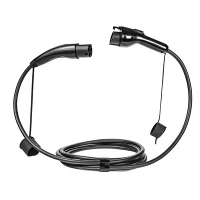
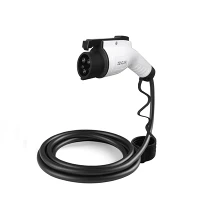
EV charging stations are equipped with connectors designed to be weatherproof. For instance, the Type 1 EV connector and socket are engineered to prevent water ingress, ensuring that no matter the weather, the connection between the charging station and the vehicle remains secure and dry. These connectors are typically IP-rated, which means they meet international standards for dust and water resistance.


Ground Fault Circuit Interrupters (GFCIs)
One of the key safety features at EV charging stations is the Ground Fault Circuit Interrupter (GFCI). GFCIs are designed to quickly shut off power if they detect even a small difference in electrical current, which could indicate a ground fault. This is particularly important in wet conditions, as water can conduct electricity and increase the risk of electrical shock. GFCIs provide an extra layer of protection for both the user and the EV.
Overcurrent Protection
Charging stations are equipped with overcurrent protection devices that prevent the flow of electricity from exceeding safe levels. In the event of a fault or overload, these devices trip the circuit, stopping the flow of electricity and preventing potential damage to the EV or the charging infrastructure.
Insulation and Enclosures
The internal components of EV charging stations are well-insulated and often enclosed in weather-resistant materials. This not only protects the electrical components from the elements but also prevents any potential hazards that could arise from water exposure.
Emergency Shutoff Switches
EV charging stations are mandated to have easily accessible emergency shutoff switches. These switches allow users or first responders to quickly disconnect power in case of an emergency, such as a fire or if someone is in danger of electrical shock.
Regular Maintenance and Inspection
To ensure ongoing safety, EV charging stations undergo regular maintenance and inspection. This includes checking for wear and tear on connectors, ensuring that all safety features are functioning correctly, and verifying that the station meets the latest safety standards.
User Education
Charging stations often provide clear instructions and warnings to users. This includes guidelines on how to safely connect and disconnect the EV, as well as what to do in case of an emergency. Educating users on proper charging procedures is crucial for maintaining a safe charging environment.
Conclusion
EV charging stations are designed with a multitude of safety features to protect both the vehicle and the user, even in the rain. From weatherproof connectors like the Type 1 EV plug to GFCIs and overcurrent protection, these measures ensure that charging an EV in wet conditions is not only possible but also safe. By combining advanced technology with regular maintenance and user education, charging station operators are committed to providing a secure and reliable charging experience for all EV owners.