

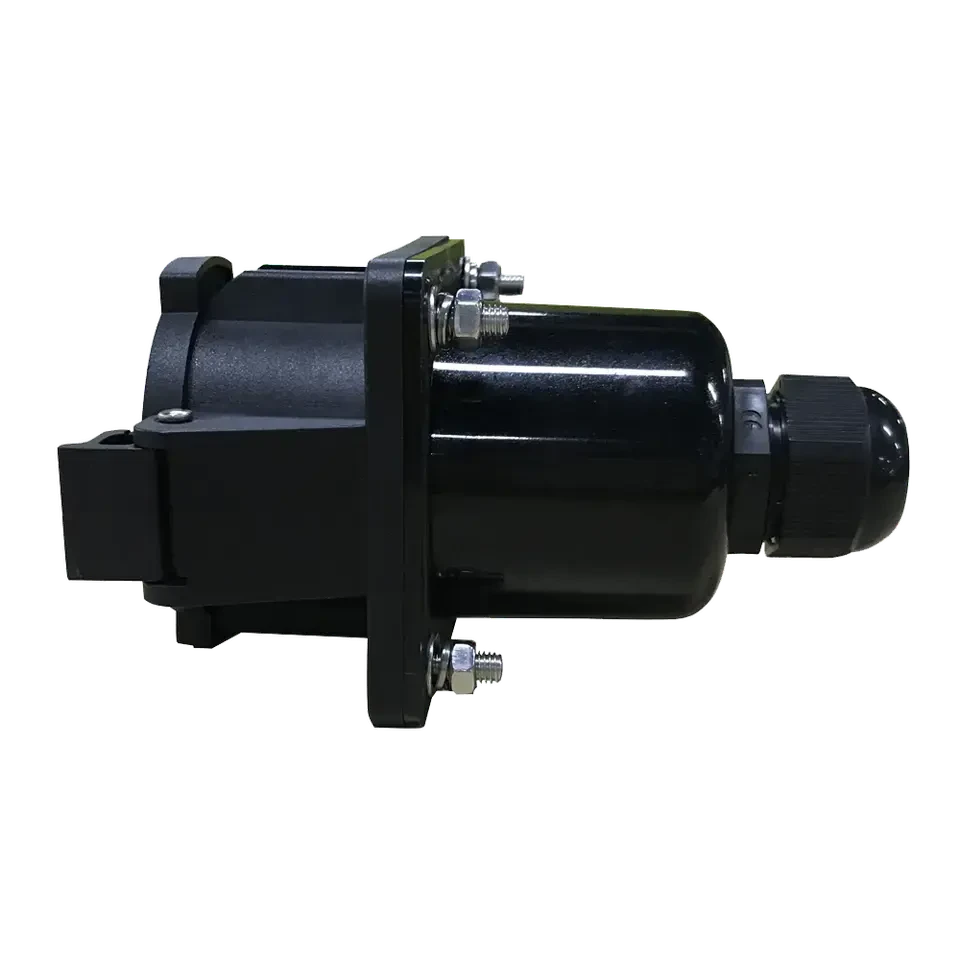
Convenience: Charging your car at home means you don't have to search for public charging stations or wait in line. You can charge your vehicle whenever it's parked in your garage or driveway, saving you time and hassle.
Cost-effective: Home charging is often cheaper than using public charging stations. You can take advantage of off-peak electricity rates to further reduce your charging costs.
Customization: You have control over when and how your car is charged. You can set the charging schedule to take advantage of lower electricity rates or to ensure your car is fully charged when you need it.
Environmentally friendly: By charging your car at home using renewable energy sources such as solar panels, you can significantly reduce your carbon footprint and contribute to a cleaner environment.
Reliability: Home charging is more reliable than public charging stations, which may be subject to outages or maintenance issues. You can always count on having a reliable source of power for your car.
FAQ
Q: What type of home socket is needed for charging an electric vehicle?
A: Most electric vehicles can be charged using a standard 120V household outlet, but for faster charging, a 240V outlet is recommended. Ensure the socket is compatible with your vehicle's charging specifications.
Q: How long does it take to charge an electric vehicle from a home socket?
A: Charging time varies based on the vehicle's battery size and the outlet's voltage. Generally, a full charge from a standard 120V outlet can take 12 to 24 hours, while a 240V outlet can reduce that to 4 to 8 hours.
Q: Are there any safety precautions to consider when charging at home?
A: Yes, ensure your home wiring is up to code, avoid using extension cords, and regularly inspect the charging equipment for wear or damage. It's advisable to install a dedicated circuit for charging.
Q: Can I charge my electric vehicle in wet conditions?
A: Yes, many EV chargers are designed to be weather-resistant. However, it's important to ensure that the charging port and cable connections are dry before plugging in to avoid any electrical hazards.
Q: What are the advantages of using a home socket for charging?
A: Charging at home is convenient and cost-effective, allowing you to charge overnight. It eliminates the need for frequent trips to public charging stations, providing a reliable way to keep your vehicle charged and ready for use.
Hot Tags: charging car from home socket, China charging car from home socket manufacturers, suppliers, factory, Sae J1772 Socket, tesla wall connector 22kw, Type 1 EV Connector, j1772 adapter for tesla, tesla wall connector nema 14 50 plug, car charging socket for home


