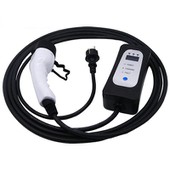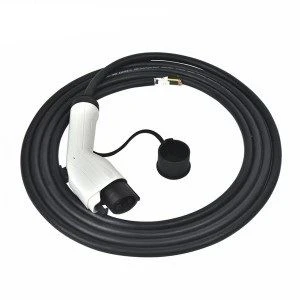
The SAE J1772 EV Connector with a 20A specification indicates that the charging station can deliver up to 20 amps of current to the vehicle. This higher amperage compared to the standard 16A connector means that the charging station can potentially provide faster charging, depending on the vehicle's onboard charger capacity and other factors. It's important to ensure that the vehicle's charging system can handle this increased current safely.
Current
Market adoption is gradually increasing: With the popularity of electric vehicles and improvements in charging equipment, the market share of the 20A version of SAE J1772 EV connector is gradually increasing.
Charging infrastructure deployment: More and more charging stations and charging piles are beginning to provide the 20A version of the SAE J1772 connector to meet users' needs for faster charging speeds.
Features
Enhanced charging speed: The SAE J1772 EV connector 20A version has a higher current capacity than the standard 16A connector, allowing for faster charging speeds.
Standardized design: Compatible with other SAE J1772 connectors, with the same standardized design and interface, ensuring compatibility with most electric vehicles and charging equipment.
Safe and reliable: Complying with SAE J1772 standard, it has safety features such as waterproof, fireproof and anti-shock protection, providing safety guarantee for the charging process.
Application scope
Home charging: The 20A charging capacity is suitable for home charging scenarios, which can charge electric vehicles faster and provide a more convenient charging experience.
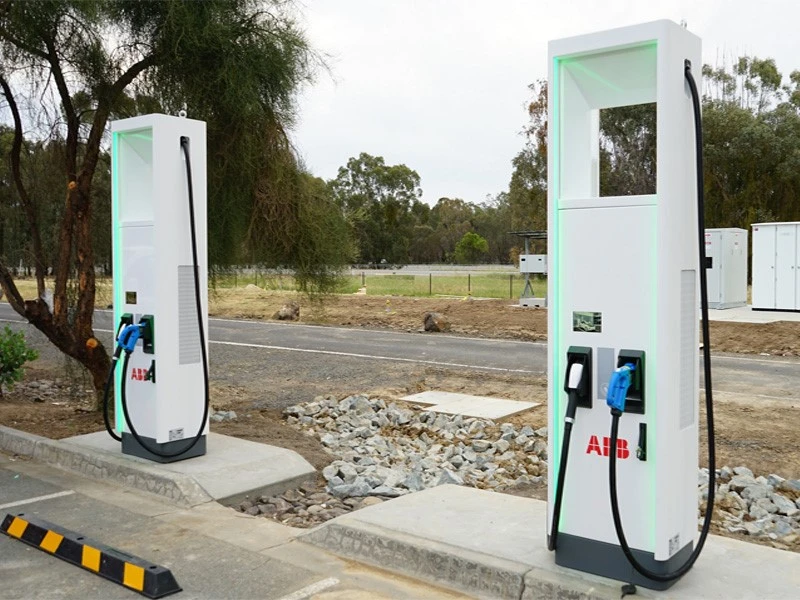
Commercial charging: At commercial charging stations and parking lots, the 20A connector can provide users with faster charging options for short stops and supplementary charging needs.
a
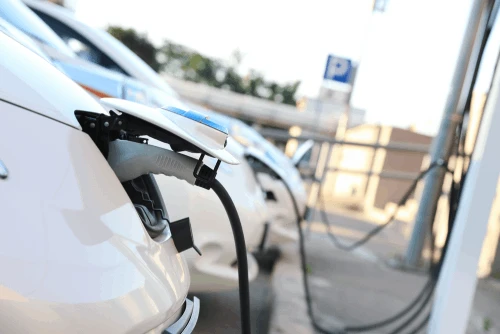
This is one of the ways you can choose to rent an electric car that charges in a home scenario. There are several types of chargers to choose from: Level 1 and Level 2 chargers. Your electric car comes with a Level 1 charger. They are standard outlets that plug into the wall, with a SAE J1772 plug on one end and a grounded three-prong plug on the other. Charge up to 20 on a Level 1 charger and have a range of up to 140 miles. Plug a Level 2 charger into a 240V outlet and the Level 2 charger will charge 3 to 7 times faster than a Level 1 charger.
History of J1772
The SAE J1772 Adapter, or J-Plug, is the first of its kind to charge electric vehicle batteries through direct contact when everyone else uses magnetic fields. The California Air Resources Board was the first to adopt it as the standard for electric vehicles in California, and the rest of North America has followed suit. The plug's appeal to the board is that it plugs into a standard household outlet, allowing EV drivers to charge their EVs from the comfort of their home. The first J1772 adapter was developed by Avcon and featured a rectangular connector that could deliver up to 6.6 kW of power. Yazaki later proposed a more powerful 19.2 kW circular connector, which would be the predecessor of the modern J1772.
something we May want to know
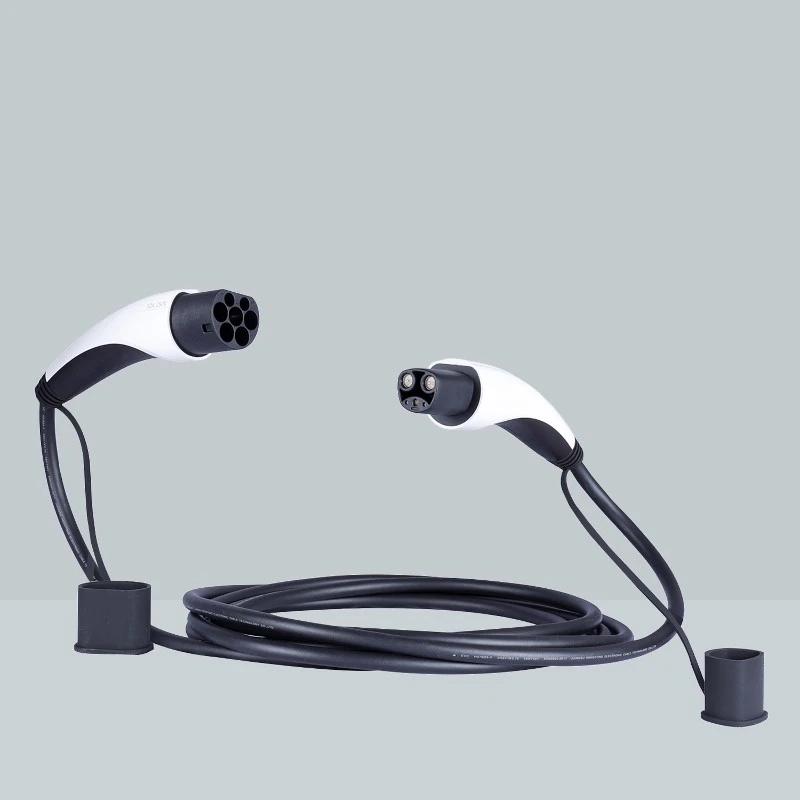
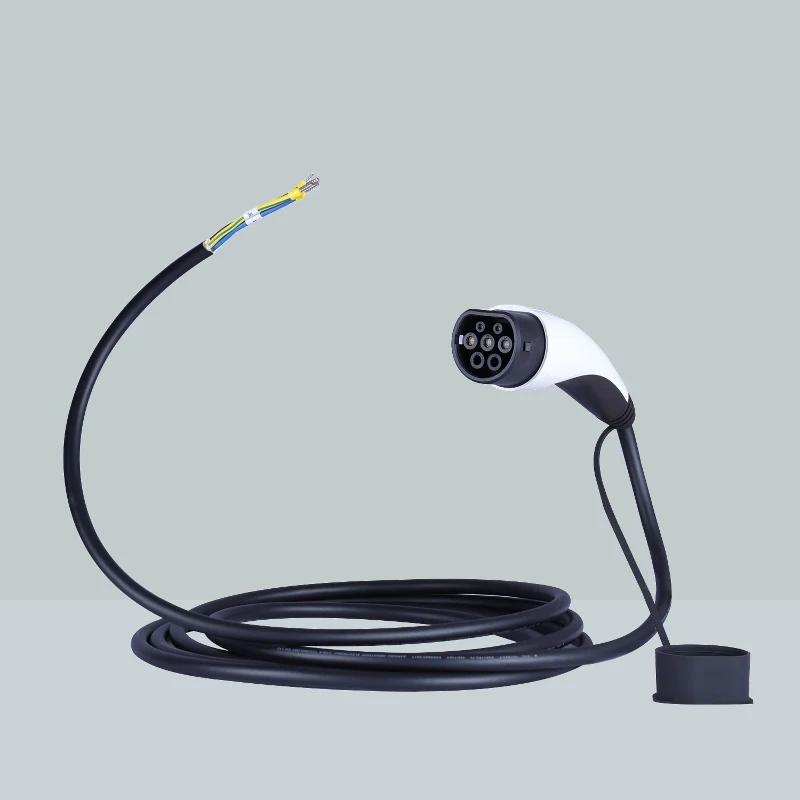
Our product is a standard for electric vehicle (EV) charging in North America. It features a unique design with a J-shaped plug and a standardized configuration for both the connector and the vehicle inlet.
The 16A specification you mentioned likely refers to the maximum current capacity of the charging station. In this case, it indicates that the charging station can deliver up to 16 amps of current to the vehicle. This specification is important because it determines how quickly the vehicle can be charged. Higher amperage typically means faster charging, although the charging rate also depends on factors like the vehicle's onboard charger capacity and battery chemistry.
In practical terms, a 16A charging station might be suitable for overnight charging or for topping up the battery during the day, but it might not provide the fastest charging speeds available.
01
Standards Compatibility
Complying with international standards, it is compatible with various electric models, including vehicles in North America, Europe and other regions.
02
Safe Design
Equipped with a reliable locking mechanism to ensure a secure charging connection, it also provides overload protection and ground detection functions to ensure a safe and reliable charging process.
03
Easy To Use
The simple design makes it easy to install and operate, making it suitable for a variety of charging scenarios, including homes, businesses and public charging stations.
04
Efficient Charging
With a rated current of 16 amps, it can charge electric vehicles quickly and efficiently, providing a convenient charging experience.
why choose us
why choose our products
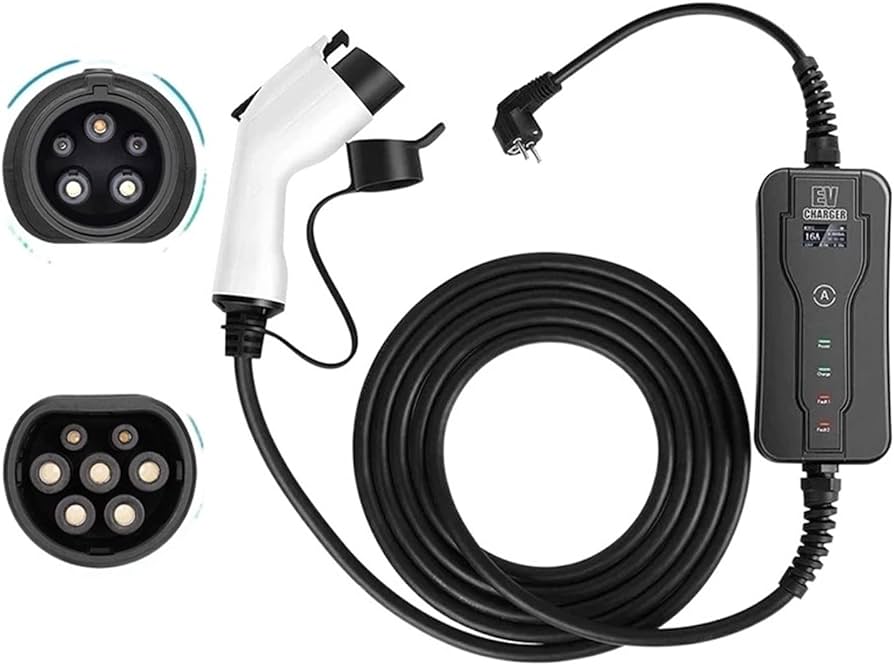
Maximum Current Capacity: our products are generally available in different current ratings, including 16A. This means it can support a maximum current output of 16 amps. This specification determines the charging speed, as higher current means faster charging.
Voltage range: they are typically designed to support charging of various standard electric vehicles and are therefore able to accommodate different voltage ranges. A typical voltage range might be 110V to 240V.
Safety features: they have a variety of safety features, including waterproof, fireproof, and electric shock protection. These features ensure the safety of the charging process and reduce the risk of accidents.
Durability and Durability: This type of connector is typically designed for long-term use and features durable housing and internal components to ensure reliability and durability under varying environmental conditions.
Charge Control Features: Some of them may have charge control features that allow the user to set a charging schedule or limit the charging speed to accommodate specific charging needs or constraints.
Overall, the product version has reliable performance to meet ordinary charging needs and provides a safe, long-lasting and efficient charging experience.
FAQ

01.Is the SAE J1772 the same as CCS?
02.Is 200 amp enough for EV charger?
03.Is J1772 a fast charger?
04.How fast will a J1772 charge a Tesla?
05.How many kW is a J1772 charger?
06.What is the difference between J1772 and CCS plugs?
sustainability
Energy efficiency: they can be used to connect electric vehicles to the grid for charging. Although the 16A charging speed may be slightly slower than some higher-power charging devices, it is still an effective charging option, especially for daily charging needs. By using electric vehicles, you can reduce your dependence on traditional fuel vehicles, thereby reducing greenhouse gas emissions.
Lifespan and Durability: SAE J1772 connectors are generally designed to be durable devices and have a long service life. This means they can be used for extended periods of time without frequent replacement, reducing resource consumption and waste generation.
Material selection and manufacturing process: The material selection and manufacturing process used to produce the connector can also affect its sustainability. Choosing renewable, recyclable materials and using energy-efficient manufacturing processes help reduce the connector's environmental impact.
Technological Innovation: As technology continues to advance, it can be expected that future they will become more intelligent and efficient, thereby improving their sustainability. This could include faster charging, greater energy efficiency, and smarter charging controls.
Hot Tags: sae j1772 ev connector 20a, China sae j1772 ev connector 20a manufacturers, suppliers, factory, car charging socket for home, type 1 electric car charger, home dc charger for ev, CHAdeMO to ccs1 adapter, Type 2 Connector Ev, Moder 2 EV Charger