

Product Introduction
Solving the Problem of Short Charging Cables
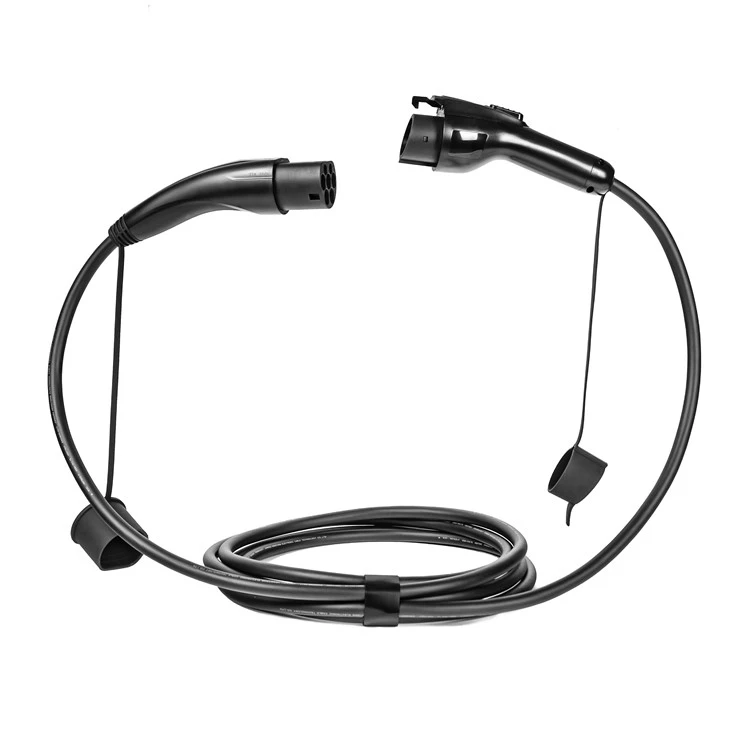
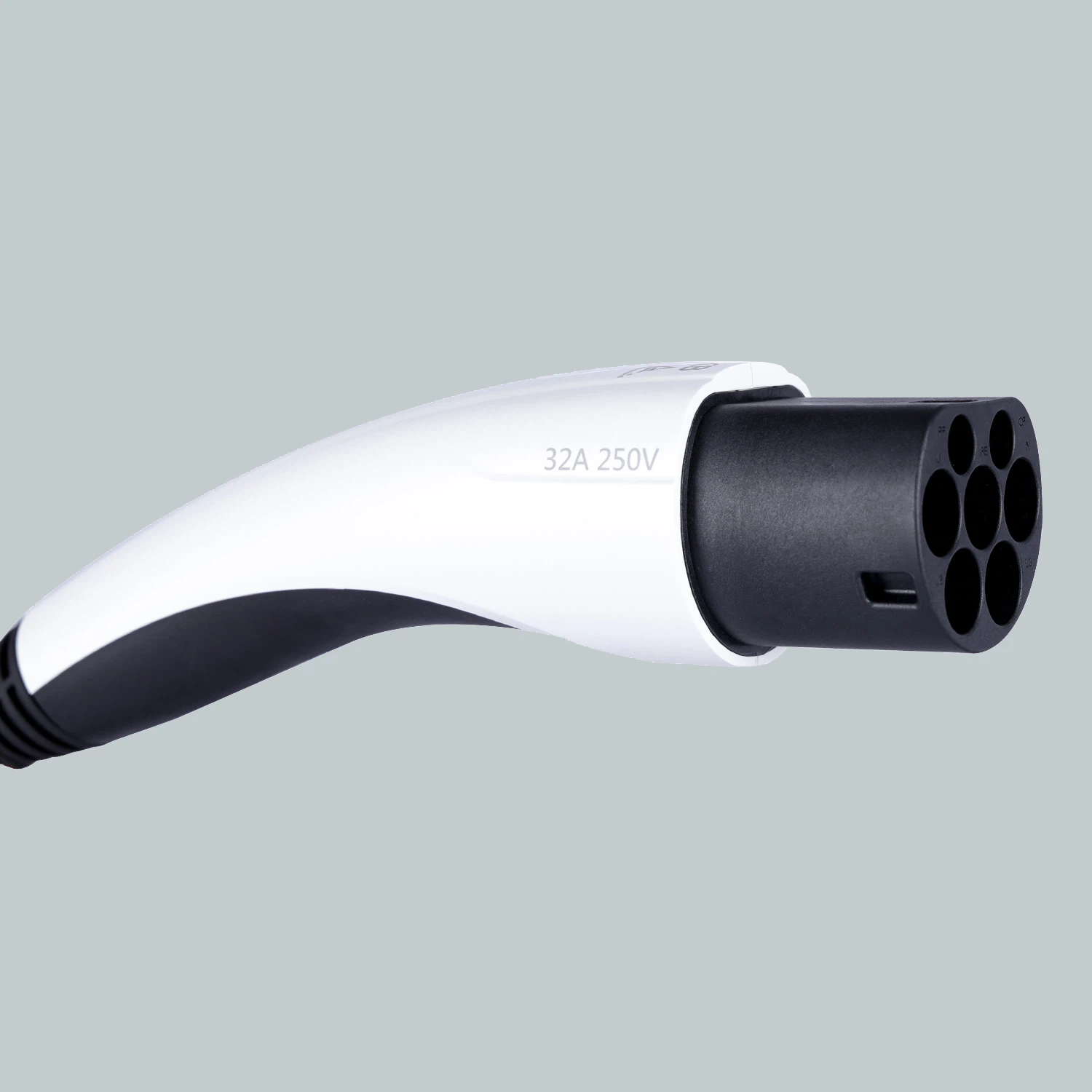
This dual-head charging gun is designed to easily extend the length of the charging cable provided by the charging station, solving issues with insufficient distance when charging your vehicle.
Distance Is No Longer a Problem
The extended cable ensures that charging distance is no longer a limitation, allowing for a more flexible and convenient charging experience.
Waterproof Body, No Fear of Rain
With a waterproof rating of "IP67," the charging gun is built to handle heavy rain and prevent water intrusion from splashes, ensuring reliable performance in all weather conditions.
IP67 Waterproof Rating
The IP67 waterproof protection keeps the charging cable safe from harmful water penetration, ensuring durability and minimizing risks during charging, especially in outdoor environments.
Protecting Your Vehicle from Charging Hazards
The waterproof design safeguards your vehicle from potential electrical risks during charging, providing peace of mind and reliable protection for your EV.
Advantages
-
1. Lightning Protection
- Description: This feature safeguards electrical devices against surges caused by lightning strikes. It typically involves surge protection devices (SPDs) that divert excess voltage away from sensitive components.
- Importance: Lightning can generate powerful surges that can damage or destroy electrical equipment. Implementing lightning protection ensures the longevity and reliability of devices, especially in outdoor environments.
-
2. Short Circuit Protection
- Description: Short circuit protection prevents excessive current flow that can occur when a direct connection is made between two conductors. This is often achieved through fuses or circuit breakers.
- Importance: It helps prevent overheating and potential fire hazards by interrupting the circuit before damage occurs. This protection is crucial for maintaining safety in electrical systems.
-
3. Overvoltage Protection
- Description: This feature protects against voltage spikes that exceed the normal operating voltage. Devices like voltage clamping devices or varistors are commonly used.
- Importance: Overvoltage conditions can damage electrical components and circuits, leading to failure. This protection ensures that devices operate within safe voltage limits, extending their lifespan.
-
4. Undervoltage Protection
- Description: Undervoltage protection monitors the voltage level and disconnects the device if the voltage drops below a certain threshold. This can be implemented using relays or electronic control systems.
- Importance: Low voltage can cause motors and other equipment to operate inefficiently or get damaged. This protection helps maintain optimal operational conditions and prevents equipment malfunction.
-
5. Overcurrent Protection
- Description: Overcurrent protection prevents excessive current from flowing through the circuit, which can occur due to overload or short circuits. It typically involves fuses or circuit breakers that disconnect the circuit when the current exceeds a predefined limit.
- Importance: This is critical for preventing overheating, electrical fires, and damage to components, ensuring safe operation of electrical devices.
-
6. Leakage Protection
- Description: Leakage protection detects current leaks to the ground or through unintended paths, using devices like Residual Current Devices (RCDs) or Ground Fault Circuit Interrupters (GFCIs).
- Importance: It helps prevent electric shock and fire hazards by disconnecting the circuit if a leak is detected. This protection is vital for both user safety and equipment integrity.
-
7. Overtemperature Protection
- Description: This feature monitors the temperature of electrical components and disconnects the circuit if it exceeds safe operating temperatures. Thermal fuses or temperature sensors can be used.
- Importance: Overheating can lead to equipment failure, fire, and safety hazards. This protection ensures that devices operate within safe temperature ranges, preventing potential disasters.
-
8. Anti-static Protection
- Description: Anti-static protection involves measures to prevent the buildup of static electricity, which can damage sensitive electronic components. This can include grounding techniques and the use of anti-static materials.
- Importance: Static discharge can destroy sensitive electronic components, leading to equipment failure. Anti-static protection is essential for maintaining the reliability and functionality of electronic devices.
FAQ

1. How long will this cable last?
The lifespan of an electric vehicle cable can vary based on usage, storage conditions, and maintenance. With proper care, a high-quality Type 1 to Type 2 cable can last several years.
2. Are there any warranties available for this cable?
Many manufacturers offer warranties on their electric vehicle cables, typically ranging from one to three years. Always check the warranty details before purchase.
3. Where can I purchase a Type 1 to Type 2 electric vehicle cable?
You can find these cables at automotive retailers, online marketplaces, and specialized EV accessory stores. Be sure to choose a reputable seller to ensure you receive a quality product.
4. What are the advantages of using a Type 1 to Type 2 cable?
Versatility: Enables charging at various public charging stations in Europe and other regions.
Compatibility: Facilitates charging for many popular electric vehicles in the market.
Efficiency: Supports higher charging rates, reducing charging time.
5. Can I use adapters instead of a dedicated cable?
While adapters are available, using a dedicated Type 1 to Type 2 cable is generally recommended for optimal safety and performance. Adapters can sometimes introduce inefficiencies or complications in the charging process.
Hot Tags: ev charging cable type 1 to type 2, China ev charging cable type 1 to type 2 manufacturers, suppliers, factory, CHAdeMO to ccs 2 adapter, ev charger plug adapter, j1772 charging adapter, tesla wall connector with a 14 50 plug, type 1 to type 2 ev cable, 22kw 3 phase ev charger


