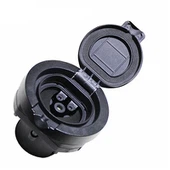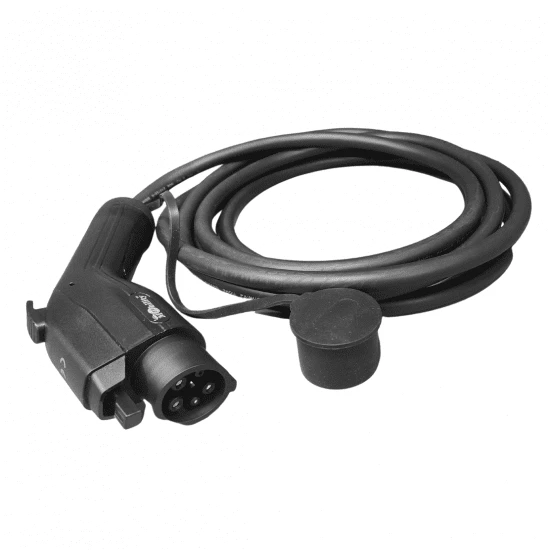
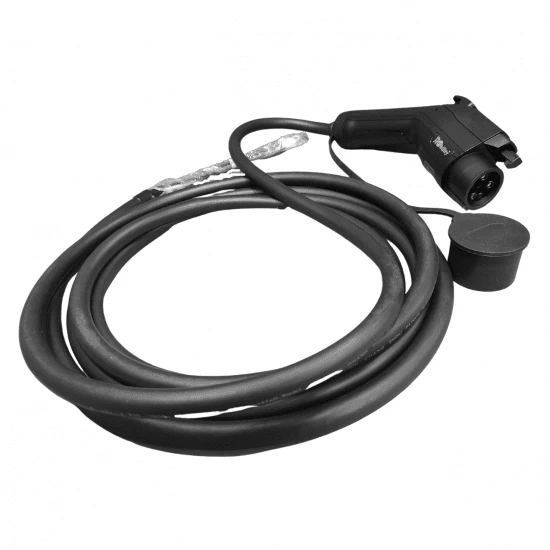
One of the key advantages of the charging cable type 1 is its robust construction, which includes high-quality, weather-resistant materials that can withstand harsh outdoor conditions. The cable's flexibility ensures that it remains easy to handle and store, even in colder temperatures. Additionally, the connectors are designed for a secure fit, reducing the risk of disconnection during the charging process. The cable is engineered to support fast charging speeds, providing a quicker and more efficient energy transfer to your vehicle, which is crucial for minimizing downtime and maximizing driving time.
FAQ
1. What are the key differences between Type 1 and Type 2 EV charging cables?
Answer: The main difference between Type 1 and Type 2 EV charging cables lies in their connectors and compatibility. Type 1 connectors are commonly used in North American and some Asian markets, featuring a single-phase connection and a five-pin design. In contrast, Type 2 connectors are widely used in Europe and other regions, supporting both single-phase and three-phase connections with a seven-pin design. Type 2 cables typically offer faster charging speeds due to their ability to handle higher currents and voltages, making them more suitable for higher-powered charging stations.
2. Can I use an EV charging cable designed for Type 1 connectors with a Type 2 charging station?
Answer: No, Type 1 and Type 2 connectors are not directly compatible with each other. However, adapters are available that allow you to connect a Type 1 vehicle to a Type 2 charging station. These adapters bridge the differences in connector design and ensure proper communication between the vehicle and the charging station, allowing for safe and efficient charging.
3. What factors should I consider when choosing the length of an EV charging cable?
Answer: When selecting the length of an EV charging cable, consider the distance between your vehicle's charging port and the charging station or wall-mounted charger. The cable should be long enough to reach comfortably without straining or needing an extension. A standard length of 5-7 meters is suitable for most home charging setups, while longer cables (up to 10 meters or more) might be necessary for public charging stations or when parking configurations are less flexible. Ensure the cable length allows for easy handling and storage without being excessively bulky.
4. How can I ensure the longevity and safety of my EV charging cable?
Answer: To maximize the longevity and safety of your EV charging cable, follow these best practices: Always keep the cable and connectors clean and free from debris to prevent connection issues. Store the cable in a dry, shaded location when not in use, and avoid coiling it too tightly to prevent internal damage. Regularly inspect the cable for signs of wear and tear, such as frayed wires or damaged connectors, and replace it if any defects are found. Additionally, unplug the cable by holding the connector rather than pulling on the cable itself to reduce strain on the connections.
5. Is it safe to use an EV charging cable in wet or rainy conditions?
Answer: Yes, EV charging cables are designed to be weather-resistant and safe to use in wet or rainy conditions. However, it is important to ensure that both the cable and connectors are in good condition and free from damage before use. Most EV charging cables come with a weatherproof rating, but it is still advisable to handle them carefully in extreme weather conditions. If possible, avoid exposing the connectors to direct rainfall, and ensure they are properly secured during the charging process to prevent any water ingress. After charging, store the cable in a dry location to prolong its lifespan.
Hot Tags: charging cable type 1, China charging cable type 1 manufacturers, suppliers, factory, Moder 2 EV Charger, EV Charging Cables, , Charger Type 1, Mode 3 EV Charger, j1772 to CHAdeMO adapter